Scar Revision
A smoother look to the skin's texture
Scar Revision is a treatment considered in line with the person's needs and expectations. At Kaya Clinique it is assessed with an understanding of balance and natural expression in the facial features, and with individual planning.
Arrange a Specialist ConsultationScar treatment is an area where the honest answer arrives before anything else, and it is not the answer most people are hoping for. What can be achieved is a reduction in how visible a scar is. Everything else on this page, the methods, the types and the planning, sits inside that boundary.
Can a scar be removed completely?
No. This is the consensus position among specialists rather than a cautious phrasing, and stating it first is more useful than working towards it.
A scar is a permanent structural change in the skin, created as part of healing. Treatment can change how noticeable it is; it does not restore the skin to its pre-injury state.
The realistic goal, therefore, is reducing how prominent the scar appears: its colour, its raised or depressed profile, its texture relative to the surrounding skin. Where a treatment is described as erasing scars, that description is inaccurate regardless of the method involved.
The question worth asking is not how to make a scar disappear. It is how much less it can be made to announce itself.
Which methods are used in scar treatment?
Several approaches exist, and they are frequently combined rather than used in isolation.
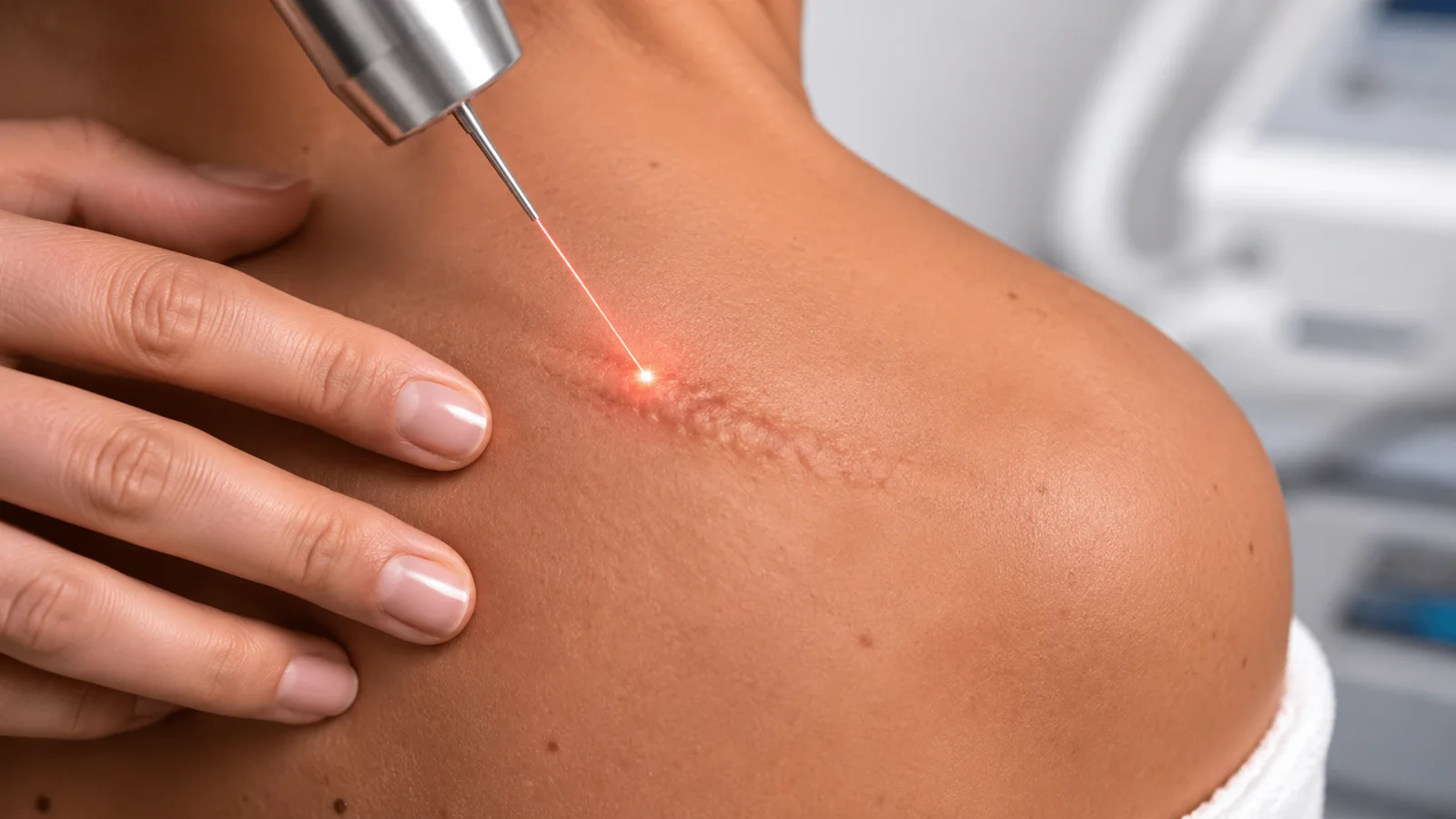
Surgical revision, laser treatment, radiofrequency microneedling, steroid injection and silicone dressings are among the options. Which of these applies, and in what combination, depends on the type of scar being treated.
That last point is the reason no standard protocol is quoted here. A combination that suits one scar can be inappropriate for another on the same person, and the plan is built from the examination rather than from a menu.
Does the scar type change the plan?
It changes it entirely, which is why identifying the type is the first clinical step. Scars following surgery form a large part of this subject: incisions from abdominoplasty and breast reduction sit in regions under tension, while facial procedures such as rhinoplasty and otoplasty follow a different course.
- Hypertrophic scars sit above the skin but stay within the original wound.
- Keloid scars extend beyond the boundary of the original wound.
- Both are approached with particular care.
- Recurrence is a recognised consideration in this group.
- Atrophic scars, including acne scarring, sit below the surrounding skin.
- Surgical scars follow a line and mature over months.
- The approach differs between these two groups.
- Location on the body also influences the plan.
What are the acne scar subtypes?
Acne scarring is not a single entity, and describing it as one is where most inaccurate advice originates.
Narrow, deep scars that descend sharply into the skin.
Wider depressions with defined edges and a flat base.
Broad, shallow undulations creating an uneven surface.
Most people have more than one subtype present at the same time. The general quality of the skin surface may be discussed within the same plan; mesotherapy sits on that axis and does not replace approaches directed at the scar itself.
The reason for naming these is practical. The same treatment does not suit all three, and a plan built without distinguishing between them is a plan built on an incomplete picture.
In most people the pattern is mixed, which is another reason combinations are used. Which subtype predominates in which area is established by examination rather than from a photograph.
How are keloid and hypertrophic scars approached?
This group requires particular caution, and the reason is specific rather than general.
Where there is a tendency towards keloid formation, treatment planning is carried out with particular care because of the risk of recurrence. A procedure intended to improve a scar can itself provoke scarring in someone with that tendency.
This is why the history matters as much as the examination. Anyone who has previously developed a raised scar, or who has family members who have, should say so at the consultation; it changes both the method chosen and the way the plan is staged.
It also means expectations are framed differently in this group. The aim remains reducing prominence, and the possibility of recurrence is part of the conversation before any treatment begins rather than after.
How many scar treatment sessions are needed?
No number is quoted here, and that is a deliberate position rather than an evasion.
The number of sessions and the combination of methods vary considerably according to the type of scar. A figure that suits one presentation would mislead someone with a different one, and the honest answer is that this is established as the plan progresses.
What can be said with confidence is that single-session scar treatment is not a realistic proposition. Where a result is offered in one appointment, the expectation being created does not match how scar tissue responds.
Assessment
The scar type, its age, its location and the skin's healing history are established first.
Staged plan
A method or combination is selected and staged rather than delivered all at once.
Review
Response is assessed between stages and the plan adjusted according to what is seen.
Ongoing care
Sun protection and the recommended aftercare continue throughout the process.
When should scar treatment start?
Timing is a genuine clinical question rather than a matter of convenience.
A new scar is still maturing. Surgical scars in particular continue to change over months, and a scar assessed too early is being judged before it has settled into its final form.
At the same time, waiting indefinitely is not always the right approach either, since some situations benefit from early management. Which applies depends on the scar, and it is one of the questions the assessment answers.
What supports healing regardless of the method?
Sun protection over a healing scar is the single most consistent piece of advice, since exposure influences how a scar's colour settles. Following the aftercare instructions given, avoiding tension across the healing area and not experimenting with strong products on new scar tissue all matter more than they appear to.
Does smoking affect scarring?
Yes. Smoking reduces blood supply to tissue, which affects wound healing and therefore the way a scar forms and matures. This is why the question is asked before any surgical procedure and why stopping is requested around an operation.
What is realistic to expect?
Setting this out plainly is more useful at the end than any summary of methods.
A treated scar generally becomes less prominent: closer in colour to the surrounding skin, flatter or less depressed, smoother in texture. It remains present, and in most cases it remains findable by someone looking for it. Surface care approaches such as Hydrafacial do not target scar tissue and are not a substitute for this plan.
How much improvement is achievable depends on the type, the age and the location of the scar, and on how the individual heals. Two people with similar scars can respond differently, and that variability is part of the honest picture rather than a caveat added at the end.
Where a treatment is being considered specifically for acne scarring, the appearance may be improved by approaches such as radiofrequency microneedling, within the same boundary described here. The method is chosen at assessment, and the goal remains the same one stated at the top of this page.
This content is provided for general information only and does not constitute medical advice. A scar is a permanent structural change in the skin. The realistic goal of scar treatment is reducing how prominent a scar appears; no method removes a scar completely, and this is the consensus position among specialists. Methods used include surgical revision, laser treatment, radiofrequency microneedling, steroid injection and silicone dressings, applied alone or in combination according to the type of scar, which may be hypertrophic, keloid, atrophic including acne scarring, or surgical. The number of sessions and the combination of methods vary considerably according to the scar type, and single-session scar treatment is not a realistic proposition. In people with a tendency towards keloid formation, treatment planning is carried out with particular care because of the risk of recurrence, and any personal or family history of raised scarring should be raised at the consultation. Sun protection over a healing scar influences how its colour settles. Smoking reduces blood supply to tissue and affects how a scar forms and matures. Treatment decisions are made together with the physician following a detailed examination.
Content overseen by Aysun Kaya, Founder · Kaya Clinique · on Bağdat Avenue since 2019. Our publishing standards are set out in our editorial principles.
From consultation to care, the process

Beklentilerinizi dinleyerek, kişiye özel bir yol haritası oluşturuyoruz.

Modern, hijyenik ve mahremiyeti önceleyen bir klinik ortamı.

Konforunuz gözetilerek, ölçülü ve kontrollü bir yaklaşım.

Süreç sonrası bilgilendirme ve takip ile yanınızdayız.
Related technology

Vivace / Microneedling
Vivace / Microneedling is a treatment considered in line with the person's needs and expectations. At Kaya Clinique it is assessed with an understanding…
Explore the Technology →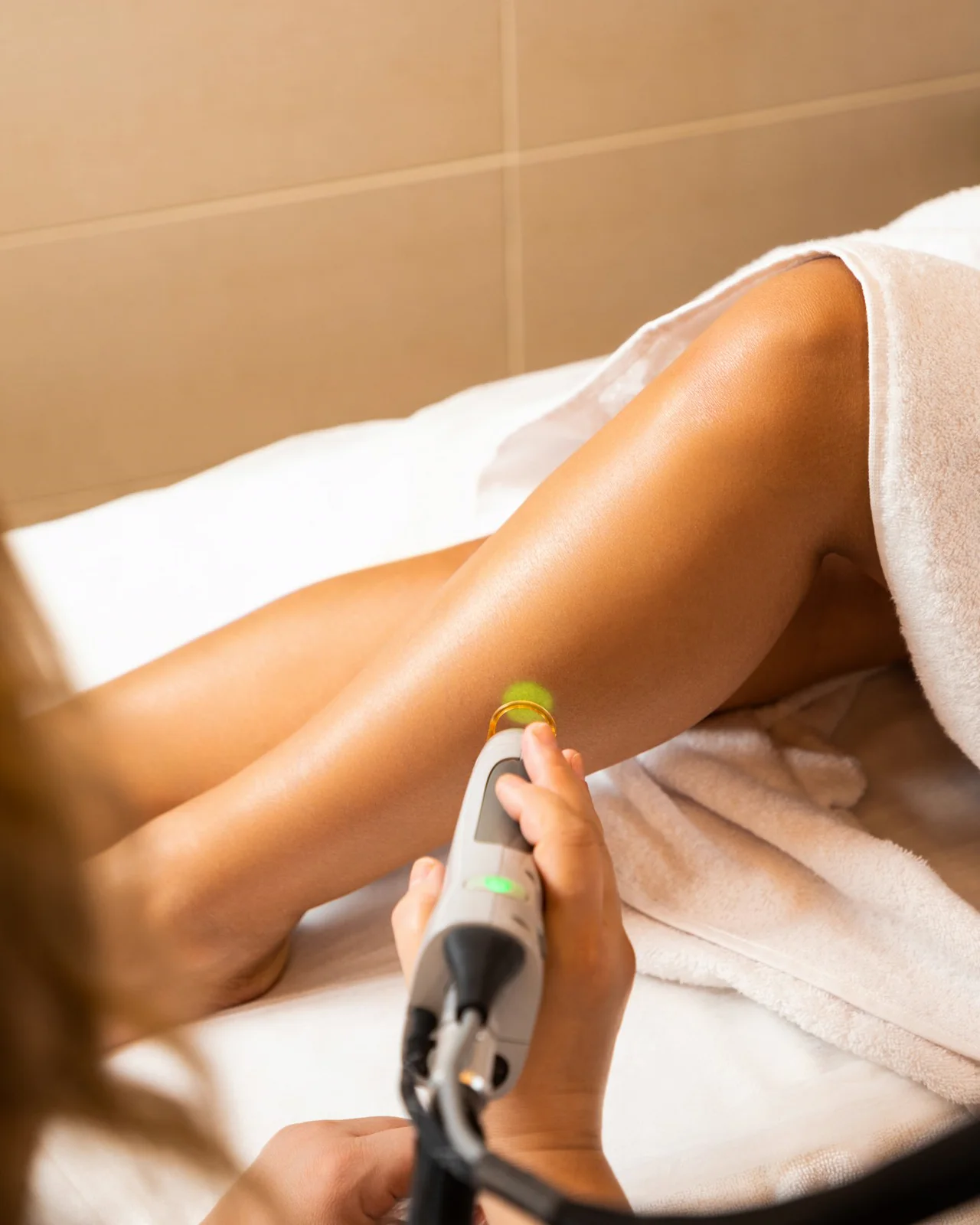
Laser Hair Removal
Laser Hair Removal is a treatment considered in line with the person's needs and expectations. At Kaya Clinique it is assessed with an understanding of…
Explore the Technology →Frequently asked questions
How are Scar Revision prices determined in 2026?
Scar Revision prices are among the first things people ask about, yet we cannot publish the figure here; regulation does not grant healthcare institutions that permission.
What can be shared is how the plan for Scar Revision is formed. The decisive headings are:
- The type and age of the scar and where it sits
- How much area the scar covers
- The number of sessions planned and whether several methods are combined
- Whether the plan is revised at interim assessments
Even giving a range for Scar Revision would mislead, because the combination of items differs in everyone. The whole plan is set out at the consultation after examination.
Treatments considered alongside this one
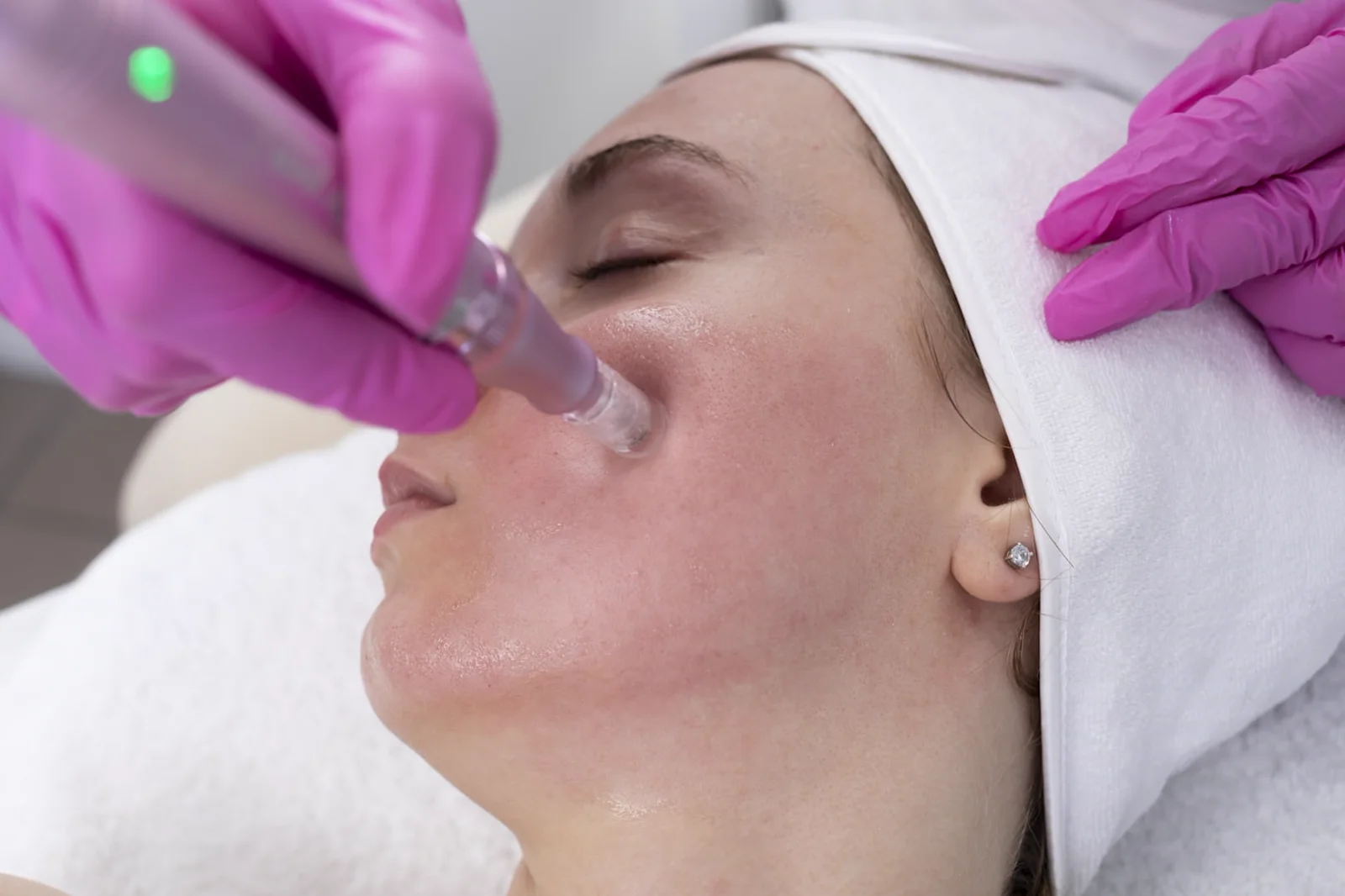
Mesotherapy
Localised skin care
More Details →Vivace / Microneedling
Technology for skin renewal
More Details →Whether they can be planned together is decided at examination; this is not a recommendation list.