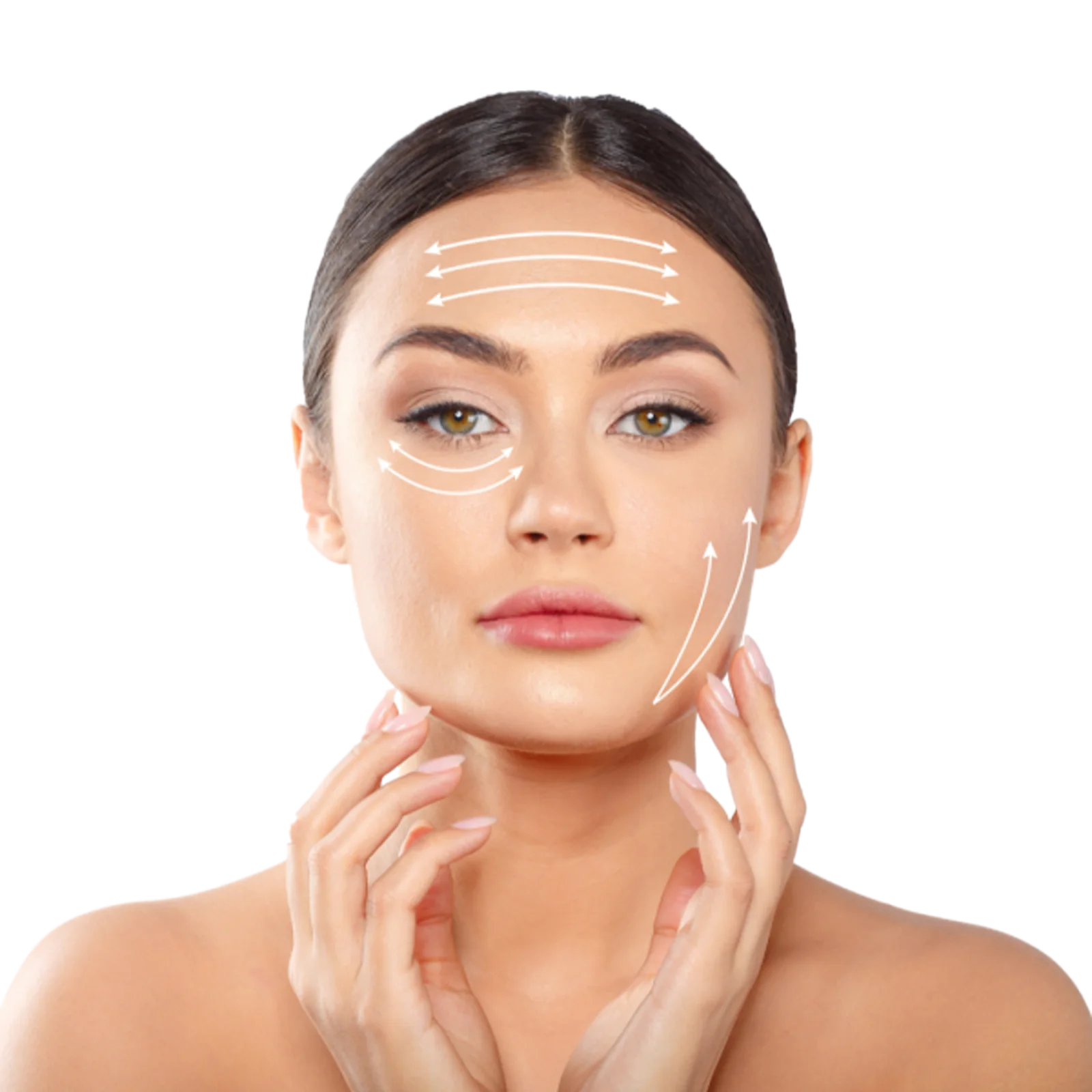
Temple Lift and Brow Lift
Vitality and balance in the gaze
Temple Lift and Brow Lift is a treatment considered in line with the person's needs and expectations. At Kaya Clinique it is assessed with an understanding of balance and natural expression in the facial features, and with individual planning.
Arrange a Specialist ConsultationBrow lift and temple lift are used interchangeably in everyday conversation, yet they do not describe the same thing. The confusion is not harmless: the wrong term brings the wrong expectation with it. This page separates the two first, then covers which finding belongs to which, and how surgery differs from the medical aesthetic approach.
Are a brow lift and a temple lift the same thing?
The short answer is that they are not the same, though they are related. Both look at the upper part of the face and in some plans they are addressed together; their focus differs.
A brow lift describes what its name says: moving the position of the brow upwards. The subject there is the brow itself and its relationship with the forehead. A temple lift addresses looseness in the temple region next to the outer corner of the eye, and its effect is seen at the outer end of the brow and along the outer contour of the eye area.
In practice the distinction resolves like this. If the whole brow has settled downwards and there is a change across the forehead, the subject is brow position. If only the outer end of the brow has dropped and a sense of heaviness has appeared at the outer corner of the eye, the subject is the temple region. Where the findings gather in the mid-face, that is a separate heading assessed under mid-face lift; the family as a whole sits under facial aesthetics.
The examination follows the same logic. The position of the inner and outer ends of the brow are assessed separately, along with looseness across the forehead, the distance between the eyelid and the brow, and the tissue in the temple region. Without that assessment it is not possible to say which heading applies.
What do these procedures correct?
Findings in this region affect facial expression directly, which is why the complaint is usually described in terms of expression rather than appearance.
A brow that has settled lower makes the gaze appear heavier.
Descent limited to the outer end changes the outer contour of the eye area.
When the brow sits lower, a sense of heaviness can develop at the upper lid.
What people describe most often: looking tired despite being rested.
The relationship between brow position and the upper eyelid is the most frequently overlooked part of this subject. When the brow settles, an impression of fullness can appear at the upper lid; planning a procedure directed only at the lid in that situation leaves the actual source untouched and the expectation unmet. Where eyelid surgery is on the agenda, brow position is therefore assessed alongside it.
Forehead lines are another point of confusion. Lines across the forehead arise from muscle movement and are not a finding about brow position. The two are mentioned together because they occupy the same region, but they belong to different approaches and are assessed separately at examination. Where the concern is irregularity across the forehead surface or a settled line, the heading discussed is forehead filler.
Who are these procedures for and how are they performed?
Suitability is assessed on findings rather than on age. How far the brow has moved, the degree of looseness in the temple region, the state of the forehead and the quality of the skin are considered together.
Technique selection follows the same findings. Incisions are generally planned within the hairline or along lines close to it. Some plans involve working with the assistance of an imaging system placed through small incisions, although it should be said that this approach is not suitable for every presentation. Scope and technique are determined according to the surgeon's plan.
A boundary applies to expectation as well. An excessive lift can change facial expression rather than simply raising the brow. Correct planning aims to move the brow to a position consistent with the person's own features, and this decision on degree is one of the most critical parts of the procedure.
The aim in this region is not to raise the brow as far as possible. It is to give someone their own expression back, and those are not the same thing.
Botulinum toxin or surgery for the brow?
The brow region features in both medical aesthetic and surgical discussions, and what each does is different.
- Botulinum toxin temporarily reduces muscle activity.
- The effect is temporary and recedes over time.
- Tissue is not repositioned.
- It is a prescription medical product requiring physician assessment.
- In the surgical approach the tissue itself is moved.
- The change achieved is long lasting.
- An incision and a recovery period are involved.
- It is the option considered in advanced laxity.
The botulinum toxin referred to here is a prescription medical product that can only be administered by a physician following a medical assessment. This content is not a product promotion and no guidance is given on which product should be used.
Does temple filler help the eye area?
This question comes up often and the answer returns to the distinction between volume and position. Where the findings gather in the lower face instead, an upper-face procedure does not meet the expectation; if that width comes from the chewing muscle, the heading is masseter treatment. A scar forms wherever an incision is made, and how it matures is set out under scar revision.
A hollow can develop in the temple region over time. Where that hollowing is marked, adding volume to the area can soften the transition along the outer contour of the eye and contribute to the overall appearance. That is the subject of temple filler and is covered in detail on its own page.
What has to be said clearly is this: adding volume does not lift tissue. Where the outer end of the brow has descended noticeably, or where there is genuine laxity in the temple region, the correction expected falls outside the scope of a filler.
What is the recovery timeline after brow surgery?
Recovery in this region varies with technique and scope. The steps below provide a framework only; the individual timetable is drawn up by the surgeon according to their own plan.
First days
Swelling is seen across the forehead and eye area. Rest with the head raised and the routine given are part of this stage.
2 to 4 weeks
Social visibility is generally discussed within this range; swelling and bruising follow different courses in different people.
Following months
The brow position settling and the incision lines maturing take a period measured in months.
Follow-up period
Brow symmetry, the state around the hairline and scar behaviour are assessed together.
Is the hairline affected?
Because incisions are planned in this region, changes relating to the hairline are a recognised heading and are discussed before surgery. Where the incision lines will fall, how the hairline may be affected and how scars behave in this area are explained individually. This information forms part of the decision rather than a detail mentioned afterwards.
How long does the brow position hold?
The change achieved is long lasting, but ageing continues after surgery. Skin quality, sun protection habits, smoking and lifestyle influence the course over time, and no undertaking is given that brow position will never change again.
What is reviewed at follow-up?
The headings are specific to this region: how the brows sit on each side, how the incision lines are healing, the condition around the hairline and how any temporary change in sensation across the forehead is settling. When the next review is set, and what is advised about returning to normal activity, follows from what these checks show. Unexpected swelling, increasing pain or any change in vision means contact without waiting for the appointment.
What are the risks in brow and temple surgery?
These are surgical procedures and the risk assessment is made accordingly. The bleeding, infection and anaesthesia headings raised in any operation are present here too.
The items specific to the upper face are collection of blood beneath the skin, involvement of nerve structures, scarring along the incision lines, changes at the hairline and asymmetry between the two brows. Involvement of nerve structures usually follows a temporary course, though the possibility is shared at the outset. A temporary change in sensation across the forehead can also form part of this picture.
Smoking is a distinct subject in this region as elsewhere: by reducing the blood reaching tissue it affects healing along the incision lines and the behaviour of the scar, so stopping is requested. Before surgery the person's overall health, the medicines they take regularly, anything that alters bleeding and their surgical history are all gone through.
At the decision stage the main subject is degree. Whether the person knows the position the brow will be moved to, how that will affect their expression, where the incisions will fall and how visible swelling will be around the eyes during recovery is established before a plan is made.
Everything covered in the consultation appears in the written informed consent document: the planned technique, the position of the incision lines, the risks present, how healing will progress and where the result is bounded. Responsibility for planning and performing the surgery lies with the treating physician, working in premises meeting the standards this operation calls for; the clinic contributes at the assessment, information and review stages.
This content is provided for general information only and does not constitute medical advice. Brow and temple lift procedures are surgical and carry risks including collection of blood beneath the skin, involvement of nerve structures, scarring along the incision lines, changes at the hairline and asymmetry; involvement of nerve structures usually follows a temporary course. Bleeding, infection and anaesthesia-related risks apply as in any operation. Recovery varies with technique and scope; social visibility is generally discussed within two to four weeks, while brow position settling and incision lines maturing take months, and the timetable is set according to the surgeon's plan. The change achieved is long lasting but the ageing process continues; no undertaking is given that brow position will not change again. The botulinum toxin referred to in this content is a prescription medical product administered only by a physician following a medical assessment, and this content is not a product promotion. Adding volume with a filler does not lift tissue. The decision to operate is made together with the physician after a detailed examination and a written informed consent process.
Content overseen by Aysun Kaya, Founder · Kaya Clinique · on Bağdat Avenue since 2019. Our publishing standards are set out in our editorial principles.
From consultation to care, the process

Beklentilerinizi dinleyerek, kişiye özel bir yol haritası oluşturuyoruz.

Modern, hijyenik ve mahremiyeti önceleyen bir klinik ortamı.

Konforunuz gözetilerek, ölçülü ve kontrollü bir yaklaşım.

Süreç sonrası bilgilendirme ve takip ile yanınızdayız.
Frequently asked questions
How are Temple Lift and Brow Lift prices determined in 2026?
We cannot answer the question of Temple Lift and Brow Lift prices with a number here: health regulations expressly prohibit publishing procedure fees or making price announcements.
We can still explain how the decision on Temple Lift and Brow Lift is built. These are the headings that shape the plan:
- Whether brow position, the temple region, or both are addressed
- Where the incision lines are planned and how extensive the technique is
- The anaesthesia choice and the duration of the procedure
- The number of follow-up examinations and the length of monitoring
Because these headings change at once, no fixed amount forms for Temple Lift and Brow Lift. The picture becomes clear at examination, after which plan and process are discussed in detail.
Treatments considered alongside this one
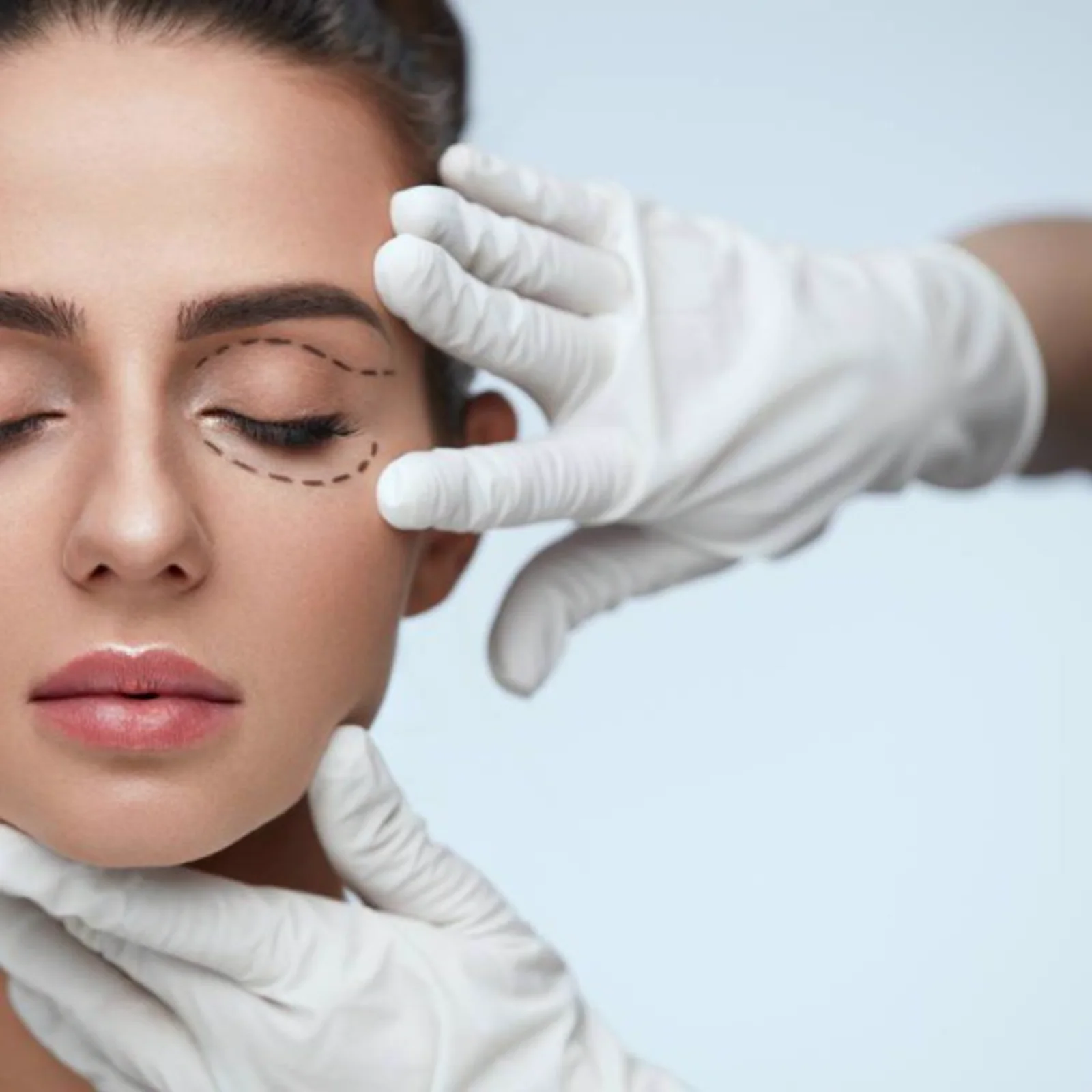

Whether they can be planned together is decided at examination; this is not a recommendation list.