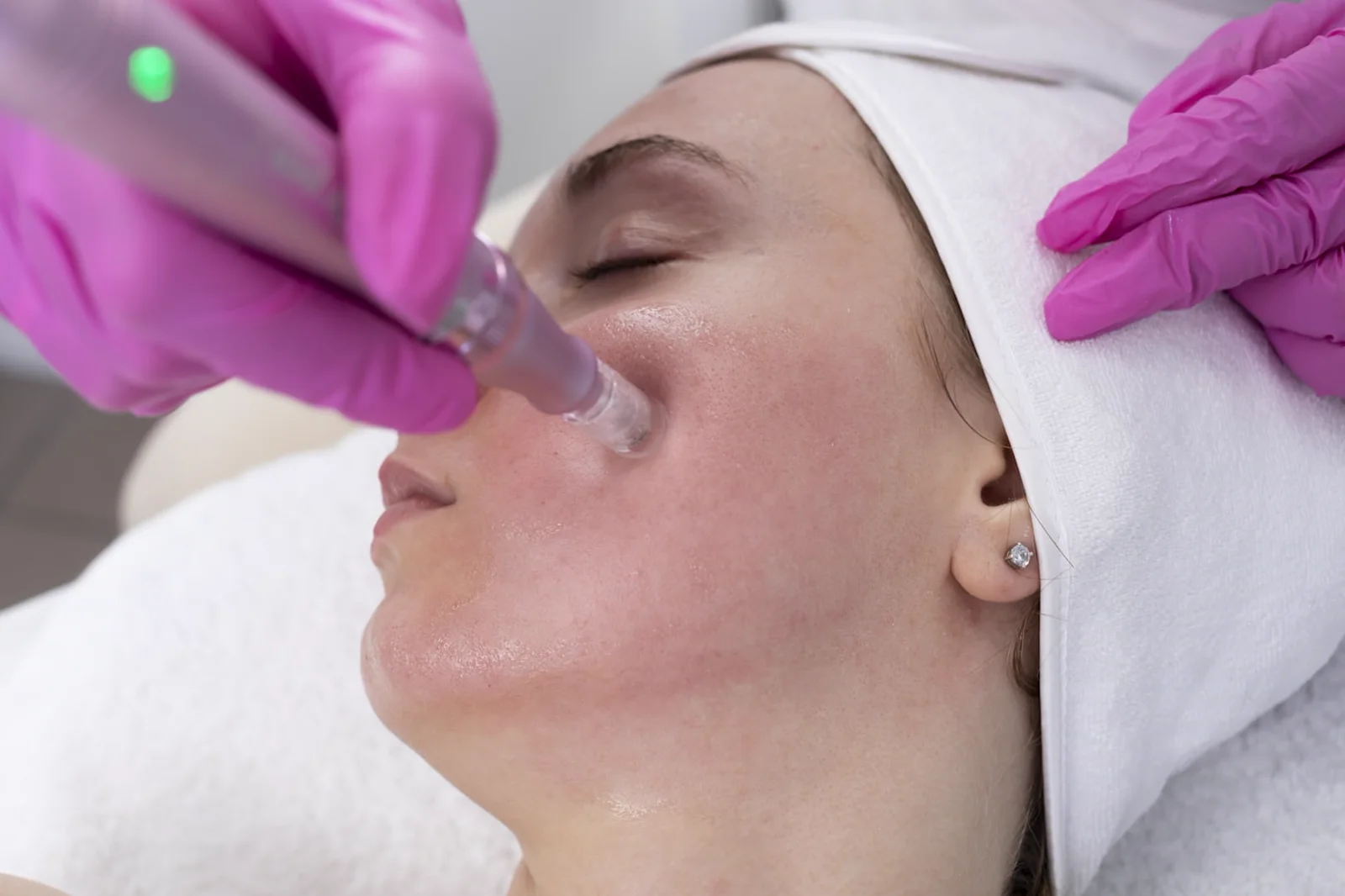
Hydration Booster
Moisture and vitality for the skin
Hydration Booster is a treatment considered in line with the person's needs and expectations. At Kaya Clinique it is assessed with an understanding of vitality and renewal in skin quality, and with individual planning.
Arrange a Specialist ConsultationDryness is one of the most common reasons people look for a treatment, and also one of the least precisely described. A hydration booster is an injectable approach to that specific complaint: hyaluronic acid delivered into the skin in fine injections, aimed at moisture rather than shape. The sections below explain the protocol, the duration, the evidence and the boundaries.
What is a hydration booster injection?
The treatment involves delivering hyaluronic acid into the skin through a series of fine injections. The concentration used is low, and in some products the hyaluronic acid is combined with vitamins or antioxidants.
The distribution is what defines it. Rather than being placed in a single spot to build a shape, the product is distributed across the treated area in small amounts, which is why it is described as a treatment for the skin rather than for a feature.
The intended benefit is support for the skin's moisture level and general quality. Stated in those terms it is a modest description, and it is also an accurate one.
Does a hydration booster add volume to the face?
No, and the distinction is worth making early because injectable treatments are often assumed to work the same way. Mixtures delivering other components into the skin form a separate family discussed under mesotherapy, while a collagen response at the surface is the subject of Vivace microneedling.
The target here is hydration and skin quality, not volume. The product is not placed to create projection or to change a contour, and the amount used is not intended to alter facial proportions.
This also sets a limit worth understanding. Where the concern is a hollow area or a change in shape, a hydration-focused injection does not address it, and the assessment will say so rather than proceed.
This treatment is not about how a face is shaped. It is about how the skin behaves during the day, which is a different complaint entirely.
How many skin hydration sessions are needed?
The protocol runs over several sessions rather than one, because the aim is a cumulative change in skin condition.
Initial course
Three to four sessions form the typical course, planned after assessment of the skin.
2 to 4 week intervals
Sessions are generally spaced within this range rather than carried out close together.
Across the course
Change develops gradually; the difference is assessed over the course rather than after one session.
Every 6 months
Maintenance is generally suggested at around this interval, depending on how the skin responds.
The number of sessions is not fixed in advance for everyone. How dry the skin is at the start, how it responds and what the daily routine looks like all influence the plan, which is reviewed as it progresses. Shadowing beneath the eye comes up frequently in the same conversation; where it stems from volume loss the heading discussed is under-eye filler rather than a hydration-led approach.
How long does a hydration booster last?
The duration reported is generally in the range of six to twelve months, and that range is wide for a reason.
Skin type, age, sun exposure, smoking and daily skincare habits all affect how long the benefit is maintained. Two people following the same protocol can reasonably expect different durations, which is why a single figure is not quoted.
The effect is not permanent, and describing it otherwise would be inaccurate. The skin continues to lose moisture through the same mechanisms after the course as before it, which is why maintenance is part of the conversation from the beginning.
What has been reported in studies on skin hydration?
Being concrete about evidence is more useful than general reassurance, so here is the specific finding.
In a prospective study of 81 volunteers who received three injections at three-week intervals, statistically significant improvement was reported across all treated areas, with results still present at the sixth month.
That is a meaningful finding and it is also the boundary of what can be claimed. It describes what was reported in a study group; it does not guarantee a particular outcome for an individual, and results depend on the starting condition of the skin as much as on the treatment.
How dry the skin is at the outset affects how noticeable the change will be.
Cumulative exposure continues to influence skin quality regardless of treatment.
Skincare, water intake and smoking all affect how long the benefit holds.
The same protocol does not produce an identical result in every person.
What happens after a hydration booster session?
Recovery is brief, and knowing the expected pattern makes the first days easier to interpret.
Redness at the injection sites is usual and settles within hours. Mild swelling can be present for around 24 hours. Bruising is also possible and generally clears within one to two weeks.
Does bruising always happen?
No, and its likelihood varies between individuals. The area treated, the skin's own characteristics and medications or supplements affecting bleeding all play a part, which is why those are reviewed before the session. If an important occasion is approaching, the timing is planned with the one to two week window in mind rather than booked at short notice.
How does this fit with a home skincare routine?
The two work on different levels and neither replaces the other. A daily routine maintains the skin's surface and its protection, while this treatment works within the skin itself. Comparing them as competing options is not useful; what matters is that the routine continues alongside the course, since it carries the result between sessions.
Hydration booster or bio-remodelling?
Both are injectable, both involve hyaluronic acid and both are concerned with skin quality, so the confusion is understandable. The emphasis differs.
- The skin feels tight, looks dull or lacks moisture.
- Work is concentrated closer to the surface, with moisture as the goal.
- The course runs over three to four sessions.
- A hydration booster is the option considered.
- The concern is elasticity and how firm the skin feels.
- The intention is to stimulate the skin gradually across several weeks.
- Two sessions roughly a month apart form the usual course.
- Bio-remodelling is discussed instead.
Who should not have a hydration booster?
There are defined situations in which the treatment is not carried out or is postponed, and these are checked before each session rather than only at the first appointment. Where the expectation concerns volume or contour rather than moisture, the answer lies elsewhere: cheek filler and lip filler are separate headings working with cross-linked products.
It is not performed during pregnancy or breastfeeding. Where there is an active infection, or an active skin condition at the injection site, the session is deferred until the area has settled. A known allergy to the product used is also a reason not to proceed.
Beyond these, there is the question of whether the treatment matches the complaint. Where the concern is volume, contour or descended tissue, a hydration-focused injection does not answer it, and identifying that at assessment is more useful than proceeding and explaining afterwards.
This content is provided for general information only and does not constitute medical advice. The products used in hydration booster injections are medical products; the procedure is carried out by a physician in a clinical setting following a medical assessment, and this content is not a product promotion. The treatment targets the skin's moisture level and general quality rather than volume; it does not create projection or change facial contour. The typical course is three to four sessions spaced two to four weeks apart, with maintenance generally suggested at around six months. The reported duration is generally six to twelve months and varies with skin type, age, sun exposure, smoking and daily skincare habits; the effect is not permanent. In a prospective study of 81 volunteers who received three injections at three-week intervals, statistically significant improvement was reported across all treated areas with results still present at the sixth month. Redness at the injection sites usually settles within hours, mild swelling can be present for around 24 hours and bruising generally clears within one to two weeks. The treatment is not performed during pregnancy or breastfeeding, and is deferred where there is an active infection or an active skin condition at the injection site.
Content overseen by Aysun Kaya, Founder · Kaya Clinique · on Bağdat Avenue since 2019. Our publishing standards are set out in our editorial principles.
From consultation to care, the process

Beklentilerinizi dinleyerek, kişiye özel bir yol haritası oluşturuyoruz.

Modern, hijyenik ve mahremiyeti önceleyen bir klinik ortamı.

Konforunuz gözetilerek, ölçülü ve kontrollü bir yaklaşım.

Süreç sonrası bilgilendirme ve takip ile yanınızdayız.
Related technology
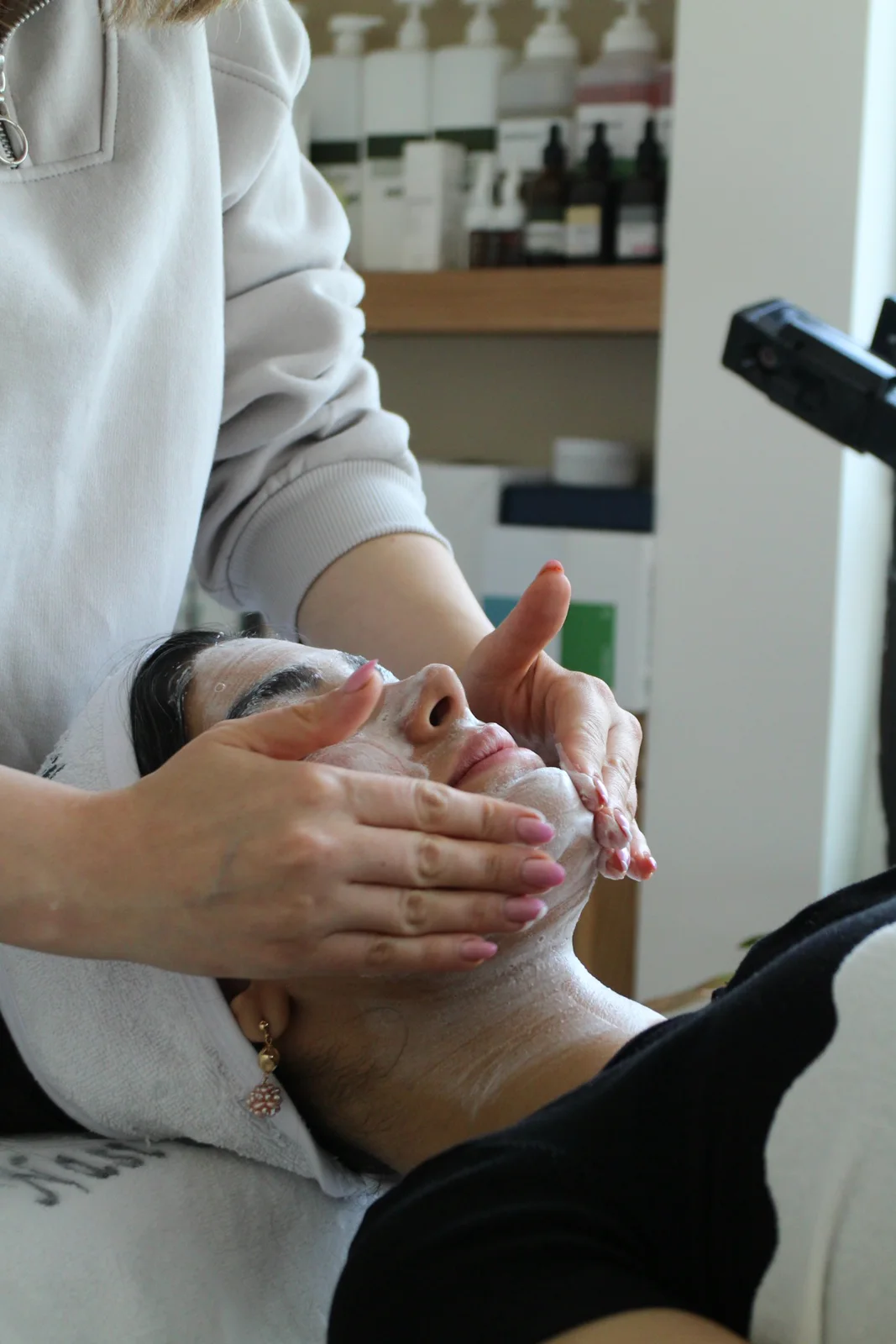
Hydrafacial
Hydrafacial is a treatment considered in line with the person's needs and expectations. At Kaya Clinique it is assessed with an understanding of vitality…
Explore the Technology →
Vivace / Microneedling
Vivace / Microneedling is a treatment considered in line with the person's needs and expectations. At Kaya Clinique it is assessed with an understanding…
Explore the Technology →Frequently asked questions
How are Hydration Booster prices determined in 2026?
Our pages carry no figure for Hydration Booster prices, and that is a legal limit rather than an oversight: healthcare institutions may not announce procedure fees.
Although no figure is given, we can say plainly what varies in Hydration Booster. The determining items are:
- The number and spacing of sessions in the course
- Whether the neck, décolleté or backs of the hands are added to the plan
- The skin's starting condition and how it responds
- The interval at which maintenance sessions arise
The weight of each item differs in every person, so no common amount can be quoted for Hydration Booster. How the process will unfold is set out in detail after examination.
Treatments considered alongside this one
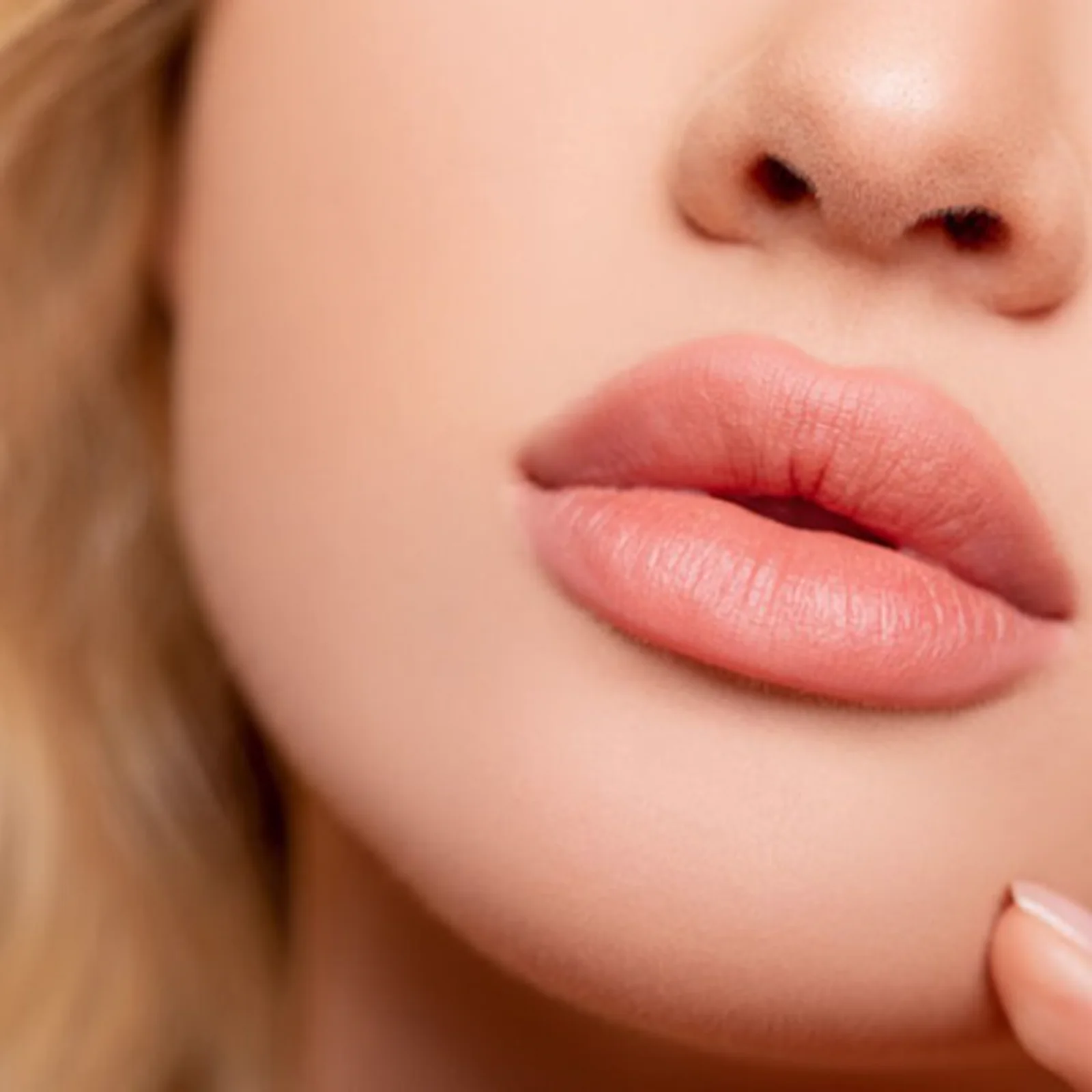
Lip Filler
Measured volume and a hydrated look
More Details →
Under-Eye Filler
A more rested look
More Details →Whether they can be planned together is decided at examination; this is not a recommendation list.