Breast Augmentation
Proportions chosen for you
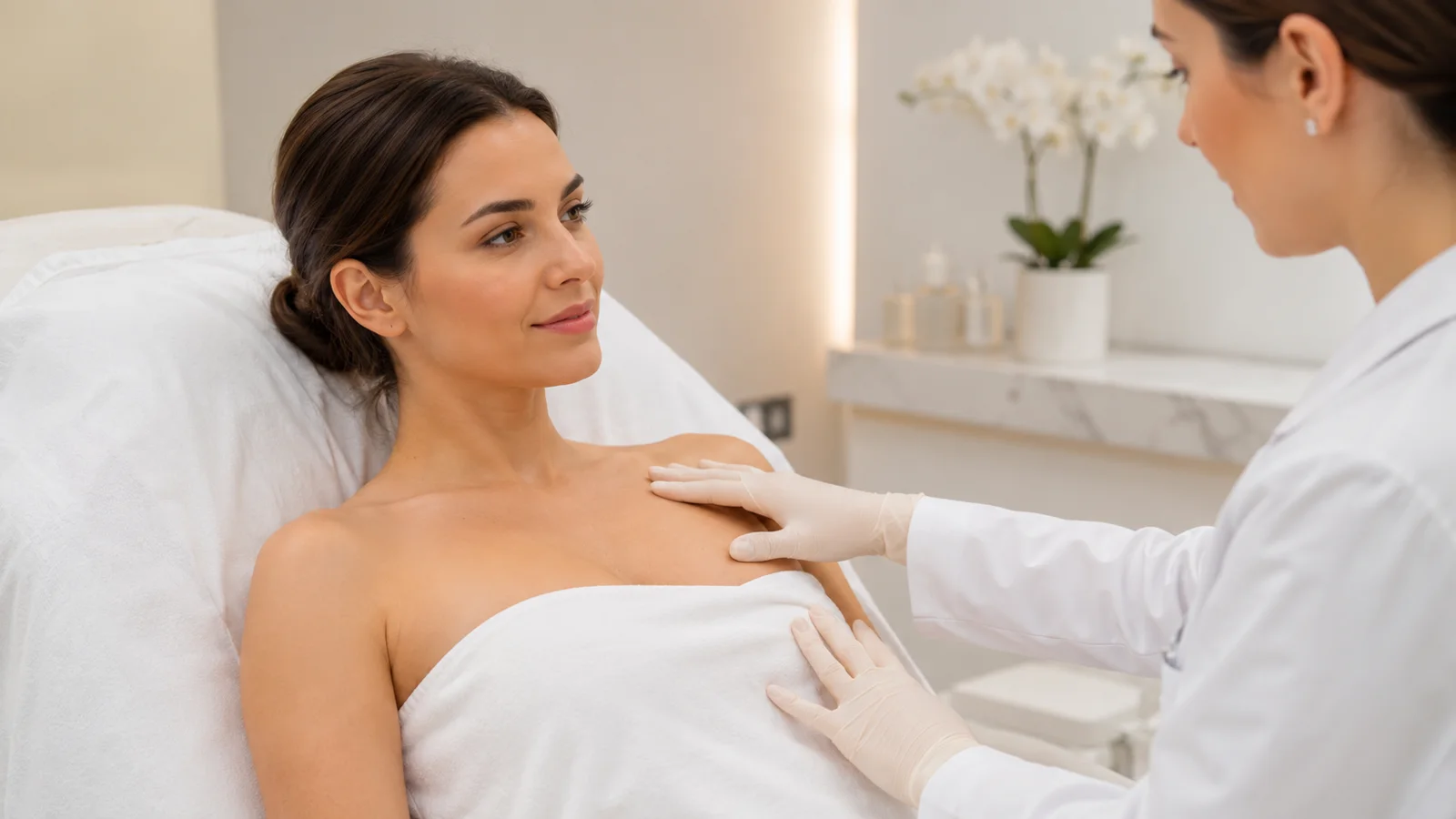
Breast Augmentation is a treatment considered in line with the person's needs and expectations. At Kaya Clinique it is assessed with an understanding of comfort and balance in body proportions, and with individual planning.
Arrange a Specialist ConsultationBreast augmentation carries more circulating misinformation than almost any other procedure, and two claims in particular do real damage: that implants must be replaced on a fixed schedule, and that they never need attention at all. Both are wrong. This page sets out what is actually known, including the subjects people are most reluctant to raise.
What does breast augmentation involve?
The procedure is carried out either with implants, which may be filled with silicone or with saline, or in suitable candidates with fat transfer.
Where implants are used, the choice of size, profile and placement plan is determined by examination rather than by preference alone. Chest dimensions, the existing tissue and the quality of the skin all influence what is appropriate.
This is also why no specific size or clothing measurement is promised here. Framing the outcome as a garment size describes neither the anatomy nor the planning, and it sets an expectation the examination may not support.
Do implants need replacing every 10 years?
No. This is one of the most persistent myths about the procedure, and it originates from older implant models and from warranty periods rather than from clinical evidence.
The opposite claim is equally inaccurate. Implants are not described as lifetime devices, and anyone told they will never need attention has been given a different kind of misinformation. The same reasoning applies elsewhere on the body: buttock aesthetics and leg and calf implants also separate volume from position when planning.
The accurate position sits between the two. Implants can remain in place without problems for an average of 10 to 20 years, and replacement on a calendar basis is not required unless there is a problem, such as rupture, capsular contracture or a change in shape, or unless the person chooses it.
Two opposite sentences circulate about implants, and both are wrong. What replaces them is not a schedule but a follow-up plan.
What follow-up is recommended after implants?
Because replacement is not calendar based, follow-up becomes the mechanism that matters.
For silicone implants, screening for silent rupture is recommended using MRI or ultrasound, beginning 5 to 6 years after placement and continuing every 2 to 3 years thereafter. This is a regulatory recommendation rather than a clinic preference.
The term silent rupture explains why this exists. A rupture can occur without producing symptoms, which means it can go unnoticed without imaging. Follow-up is what turns an unknown into something manageable.
Alongside imaging, any change noticed by the person themselves matters: a difference in shape, firmness, discomfort or swelling should be assessed rather than observed at home.
What is BIA-ALCL?
This subject is included here because a page that omits it is not describing the procedure honestly.
BIA-ALCL stands for breast implant associated anaplastic large cell lymphoma. The first thing to be clear about is what it is not: it is not breast cancer. It is a rare lymphoma arising from the immune system.
It has been associated predominantly with textured surface implants. Where it is diagnosed, removal of the implant and the surrounding capsule at an early stage is associated with a high rate of cure.
The practical consequence for anyone with implants is a specific one. Swelling or fluid collection appearing on one side in the later period after surgery should be investigated rather than watched. That is the finding that prompts assessment, and knowing it is more useful than any statistic.
What is breast implant illness?
A set of systemic complaints, including fatigue and joint pain among others, is reported by some people with implants and referred to as breast implant illness.
The honest position is that this is being monitored by regulators and that whether a causal relationship exists is still under investigation. It is neither established nor dismissed.
What that means in a consultation is straightforward: the subject is not ignored, and it is not treated as settled in either direction. Anyone experiencing these symptoms deserves assessment rather than reassurance, and anyone considering implants deserves to know the question is open.
What is the recovery timeline after breast augmentation?
Recovery after augmentation follows a recognisable pattern, and the two figures worth holding on to are these.
First days
Swelling, tightness and restricted arm movement are expected in this period.
1 to 2 weeks
Most people return to daily life within this range, depending on the surgeon's guidance.
4 to 6 weeks
Return to heavy activity is considered at this stage rather than earlier.
Following months
The final shape settles as swelling resolves and the tissue adapts.
When is the result assessed?
Not in the first weeks. Swelling changes both the size and the position of the breast in the early period, and an assessment made then reflects that rather than the outcome. The shape continues to settle over the following months, and any conversation about adjustment belongs after that point rather than during it.
Can I breastfeed after breast augmentation?
In most cases implants do not prevent breastfeeding. That is the general position, and it comes with a qualification worth stating.
Some surgical techniques can affect the milk ducts, which means the approach used is relevant to this question. Anyone planning to breastfeed in future should raise it before surgery rather than afterwards, because it is an input into how the operation is planned.
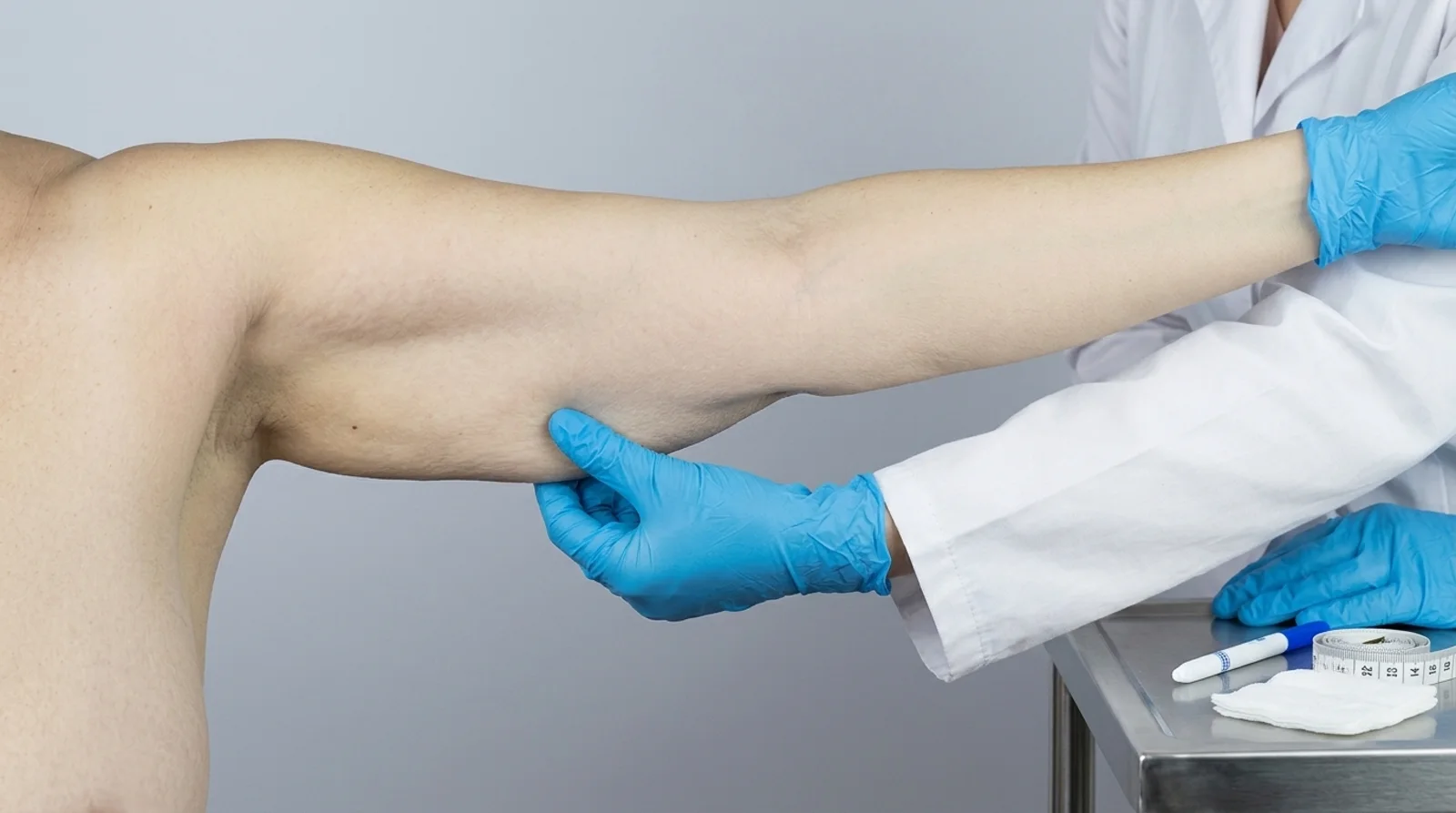
The same applies to timing. Where breastfeeding is planned in the near future, deferring surgery may be discussed, since pregnancy and breastfeeding change breast tissue noticeably and can alter the result. Excess skin on the torso may come up in the same period; abdominoplasty and arm lift are discussed as separate headings, and how the scar along the incision matures is set out under scar revision.
The amount and quality of existing tissue influence what is achievable.
Measurements of the chest guide implant selection rather than preference alone.
Skin elasticity affects both the plan and how the result settles.
Plans regarding pregnancy or breastfeeding are part of the timing discussion.
What are the risks of breast augmentation?
Breast augmentation is a surgical procedure and the risk assessment is made on that basis. Bleeding, infection and anaesthesia-related risks apply as in any operation.
The considerations specific to implants are capsular contracture, meaning tightening of the capsule that forms around the implant, implant rupture, changes in sensation, asymmetry between the two sides and the possibility of needing revision surgery. None of these are unusual topics; all of them are discussed before a decision is made.
Smoking is relevant here as it is in any surgery, since it reduces blood supply to tissue and affects wound healing. Stopping for a period around the operation is requested for that reason.
- What the examination supports, rather than a requested size.
- The follow-up imaging schedule for silicone implants.
- BIA-ALCL and what finding should prompt assessment.
- That the questions around systemic complaints remain open.
- General health and regular medications.
- Family history relevant to breast health.
- Previous breast surgery or imaging findings.
- Plans regarding pregnancy and breastfeeding.
Which findings should be reported promptly?
Increasing pain, swelling that worsens rather than settling, redness, fever or discharge from the wound should be reported without waiting for the scheduled appointment. In the longer term, a change in shape or firmness, or swelling appearing on one side, should be assessed rather than monitored at home.
This content is provided for general information only and does not constitute medical advice. Breast augmentation is carried out with silicone or saline filled implants, or with fat transfer in suitable candidates; implant size, profile and placement are determined by examination. It carries risks including capsular contracture, implant rupture, changes in sensation, asymmetry and the possibility of revision surgery, alongside bleeding, infection and anaesthesia-related risks. Implants are neither lifetime devices nor subject to mandatory replacement every ten years; they can remain in place without problems for an average of 10 to 20 years, and replacement on a calendar basis is not required unless there is a problem or the person chooses it. For silicone implants, screening for silent rupture with MRI or ultrasound is recommended beginning 5 to 6 years after placement and every 2 to 3 years thereafter. BIA-ALCL is a rare lymphoma arising from the immune system and is not breast cancer; it has been associated predominantly with textured surface implants, and removal of the implant and capsule at an early stage is associated with a high rate of cure. Swelling or fluid collection appearing on one side in the later period should be investigated. Systemic complaints referred to as breast implant illness are being monitored by regulators and causality remains under investigation. Most people return to daily life within one to two weeks and to heavy activity at four to six weeks, according to the surgeon's guidance. In most cases implants do not prevent breastfeeding, although some surgical techniques can affect the milk ducts; this should be raised before surgery. The decision to operate is made together with the physician after a detailed examination and a written informed consent process.
Content overseen by Aysun Kaya, Founder · Kaya Clinique · on Bağdat Avenue since 2019. Our publishing standards are set out in our editorial principles.
From consultation to care, the process

Beklentilerinizi dinleyerek, kişiye özel bir yol haritası oluşturuyoruz.

Modern, hijyenik ve mahremiyeti önceleyen bir klinik ortamı.

Konforunuz gözetilerek, ölçülü ve kontrollü bir yaklaşım.

Süreç sonrası bilgilendirme ve takip ile yanınızdayız.
Frequently asked questions
How are Breast Augmentation prices determined in 2026?
No amount for Breast Augmentation prices appears on this page. Sharing fees and announcing campaigns is restricted for healthcare institutions by regulation.
Although no figure is given, we can say plainly what varies in Breast Augmentation. The determining items are:
- Whether the plan uses an implant or fat transfer
- Where an implant is used, its surface type and placement plan
- The length of the operation and the anaesthesia choice
- Imaging and reviews planned for implant follow-up
Each item carries different weight in each person, so Breast Augmentation does not fit a single price tag. What will be done and how it will proceed is shared item by item in consultation.
Treatments considered alongside this one
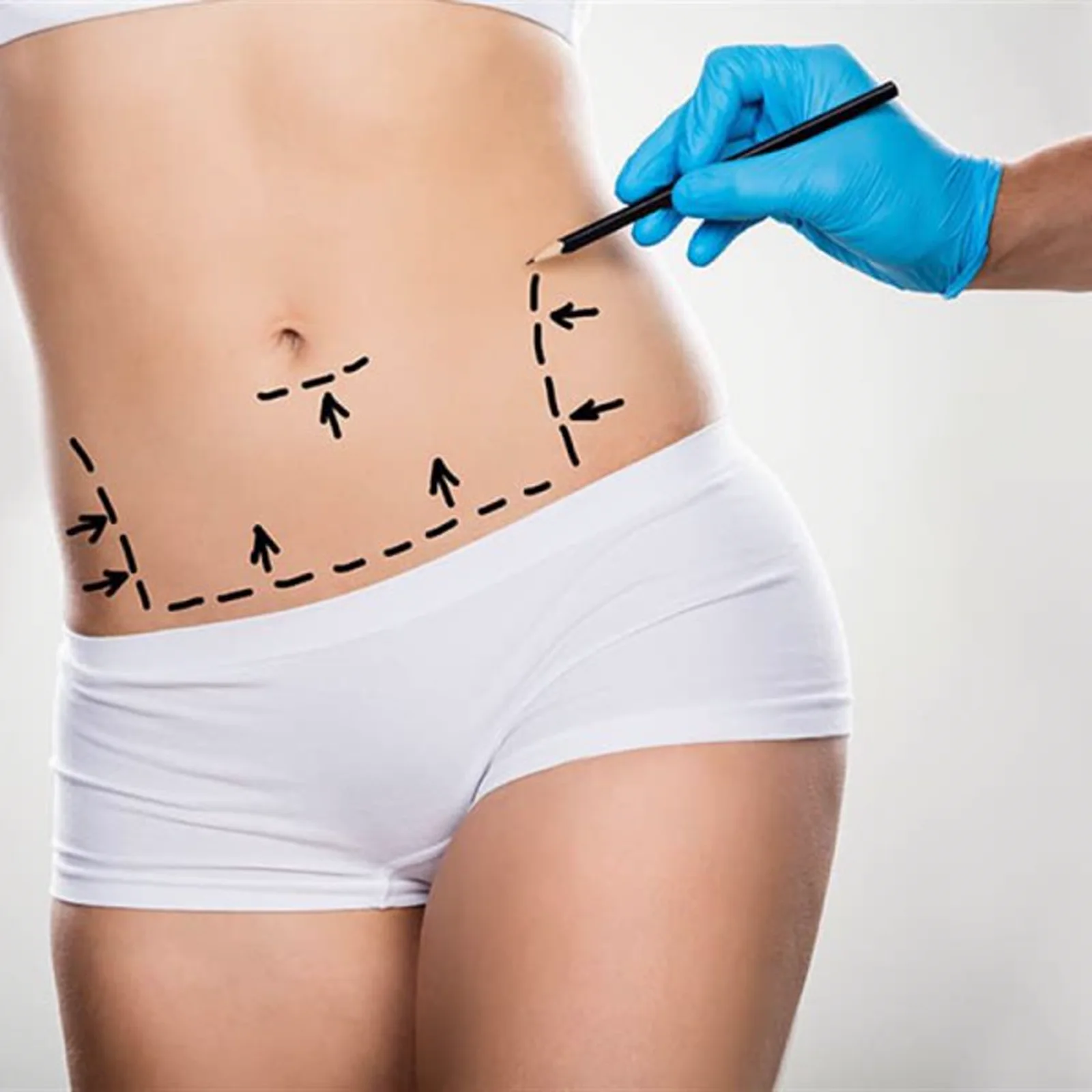
Whether they can be planned together is decided at examination; this is not a recommendation list.