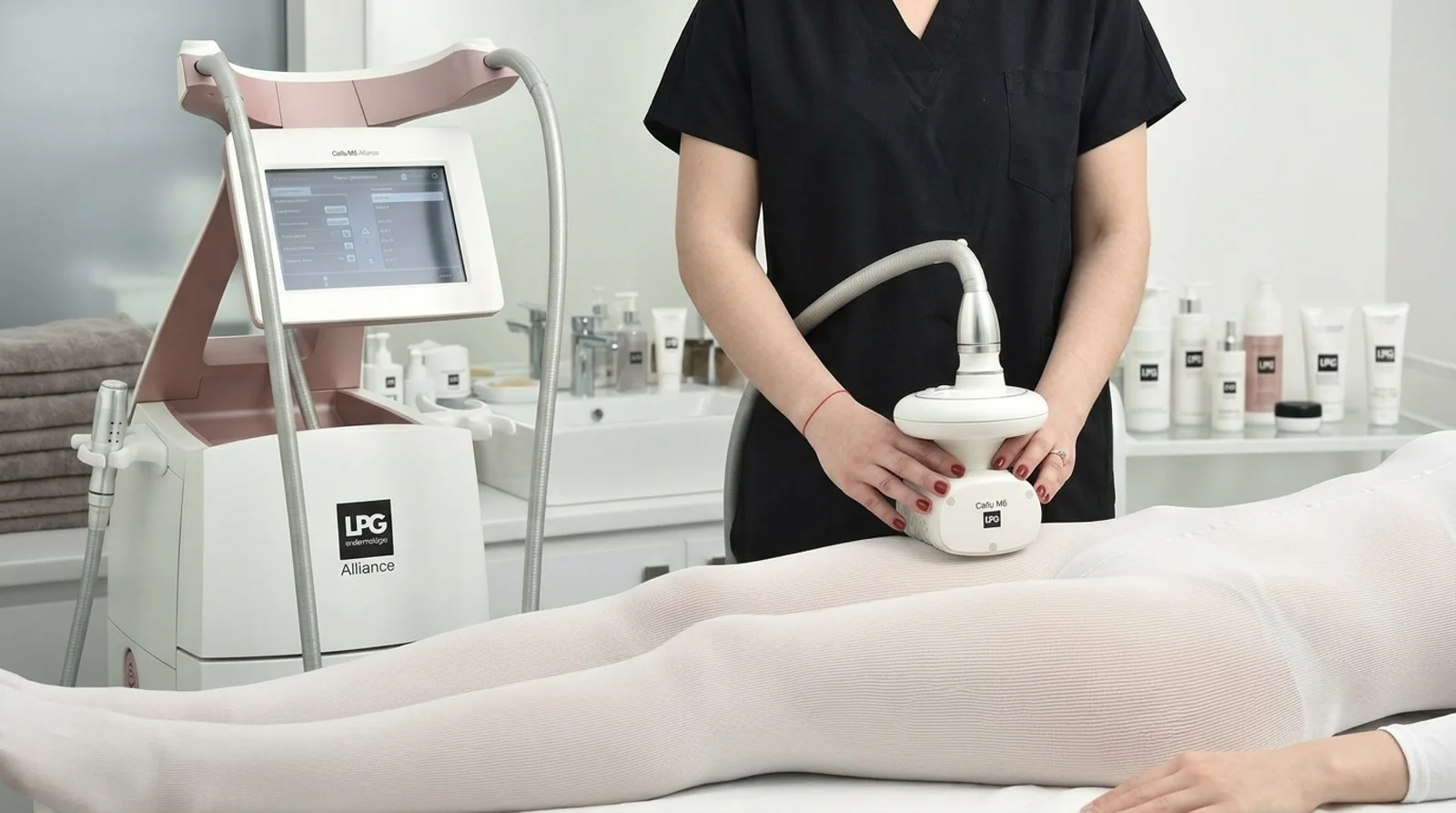
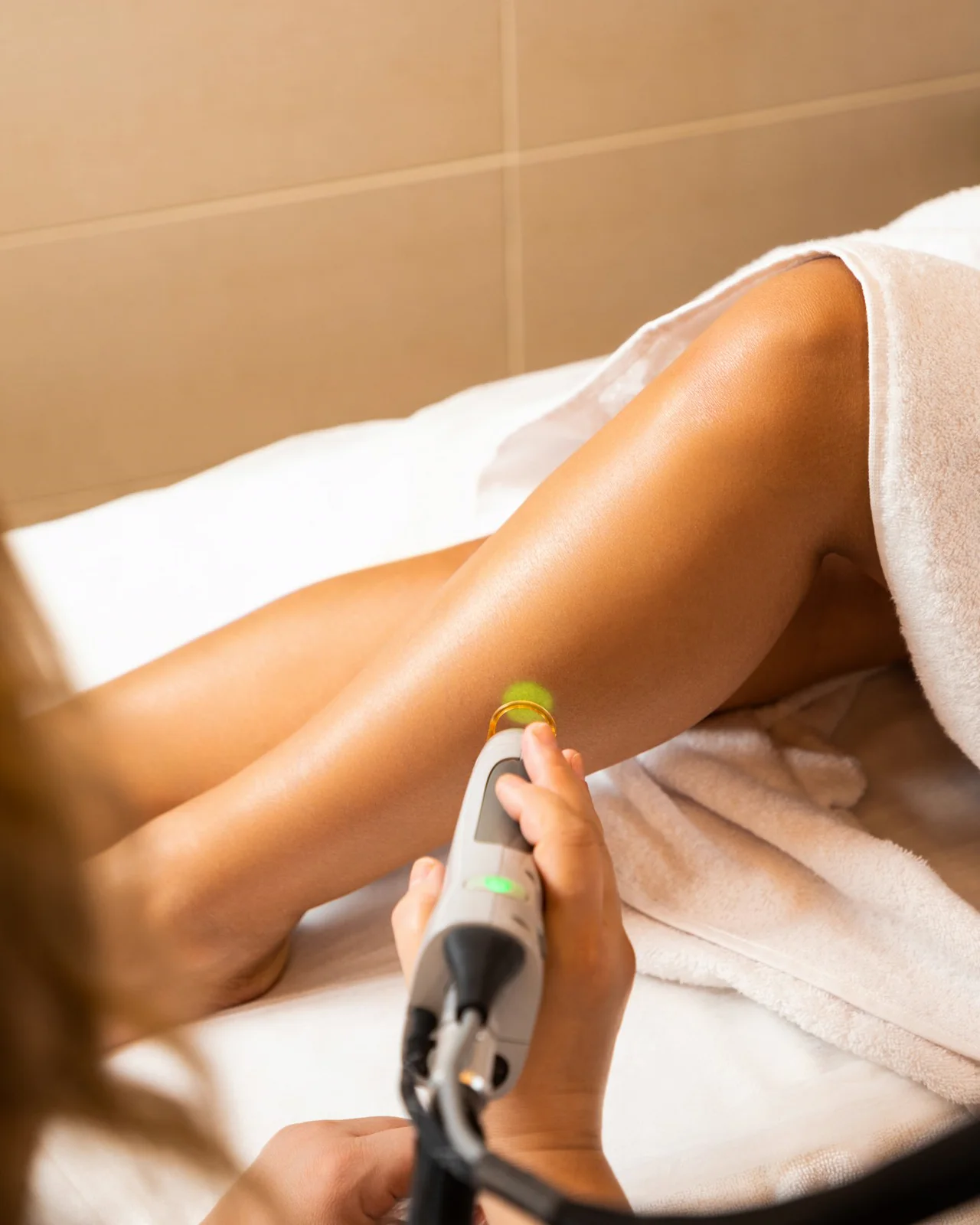
Cryolipolysis
Localised contouring
Cryolipolysis is a treatment considered in line with the person's needs and expectations. At Kaya Clinique it is assessed with an understanding of technology-supported improvement in body contours, and with individual planning.
Arrange a Specialist ConsultationCryolipolysis is a non-surgical body contouring treatment, and almost every disappointment associated with it comes from a single misunderstanding: what it is for. The sections below set out the mechanism, what the published figures actually say, how long the result takes to appear, and the one uncommon complication that anyone considering it should know about.
What is cryolipolysis?
The treatment is based on a specific property of fat cells: they are more sensitive to cold than the tissues around them. Controlled cooling is applied to a defined area to target the fat layer beneath the skin.
Nothing is cut and nothing is injected, which is why it is described as non-surgical. The applicator is placed on the area and the cooling is delivered over a set period.
What is being aimed at is a reduction in the fat layer of a treated area, in other words a change in contour. That is a narrower goal than it is often presented as having, and the next section explains why the distinction matters.
Is cryolipolysis a weight loss treatment?
No. This needs stating without qualification, because it is the single most common misconception about the treatment.
Cryolipolysis is not a method of losing weight and it is not a treatment for obesity. It is intended for people who are close to their usual weight and have a localised area of fat that has not responded to diet and exercise. Where excess skin is also present this heading does not answer it on its own; the abdomen is addressed under abdominoplasty and the arms under arm lift.
The practical consequence is that suitability is not decided by how much someone wants to change, but by whether the finding matches what the treatment addresses. Where the goal is weight loss, this is not the right conversation, and saying so at assessment is more useful than proceeding.
This treatment does not answer the question "how do I lose weight". It answers a much narrower one: "why is this specific area not responding".
How much fat reduction is reported?
Being precise here is more useful than being enthusiastic, so this is what the clinical literature reports.
In clinical studies, a reduction of approximately 15 to 28 per cent in the fat layer has been reported in a single treated area. That is a range rather than a figure, and the result varies according to the individual and the area treated.
Two things are worth reading into that range. It refers to the fat layer in the treated area rather than to body weight or overall body fat, and it describes what was measured in study conditions rather than a result promised to any individual.
How many sessions are needed per area?
Between one and three applications may be planned for a given area, depending on the finding and on the response to the first session.
This is decided by assessment rather than sold as a package. How the area responds to the initial treatment is part of the information used to decide whether a further session is worthwhile.
The thickness and distribution of the fat layer determine whether the treatment is appropriate.
Being close to a stable usual weight is part of the suitability assessment.
How the area responds informs whether further applications are planned.
What the person expects is compared against what the treatment addresses. Where hair removal is planned in the same period, laser hair removal runs to its own schedule and the two timelines are planned together.
How long does it take to see results?
This is not a treatment with an immediate visible outcome, and the timeline follows from how it works.
Immediately after
The area may look temporarily altered by the applicator and by swelling; this is not the result.
First weeks
Affected fat cells are gradually cleared by the body; no sudden change should be expected.
1 to 3 months
The change in contour becomes apparent across this period as the process continues.
3 to 4 months
The full result settles by around this point, and assessment is made then rather than earlier.
Because of this timeline, the decision about a further session in the same area is not made in the first weeks. An assessment made too early measures swelling rather than outcome.
What are the side effects of cryolipolysis?
Temporary effects in the treated area are common and generally settle on their own.
Redness, bruising, numbness and tenderness in the area can occur, lasting from days to weeks depending on the individual. Numbness in particular can persist longer than people expect and is a recognised, temporary finding.
When should the clinic be contacted?
Increasing rather than settling pain, changes in the skin over the treated area, or any finding that is worsening rather than improving should be reported without waiting for the next appointment. The expected pattern is one of gradual improvement; anything moving in the other direction is worth assessing.
What is paradoxical adipose hyperplasia?
This is an uncommon complication of cryolipolysis, and it is described here rather than left out, because a treatment discussed only through its benefits is not being described honestly.
In paradoxical adipose hyperplasia, the fat tissue in the treated area enlarges instead of reducing. The enlargement does not cause discomfort, which is part of why it can go unnoticed initially, and it is generally recognised two to four months after the procedure.
Correcting it usually requires liposuction, so it is not a finding that resolves by waiting. That is the main reason it is worth knowing about before treatment rather than afterwards. Where what is wanted is added volume rather than a reduction in the fat layer, the subject changes: buttock aesthetics and leg and calf implants address volume, while excess breast tissue is assessed under breast reduction. Skin-surface expectations are discussed under Zionic.
On frequency, a 2025 meta-analysis reported a pooled incidence of 0.22 per cent, which is approximately 1 in 455 treatments. Higher rates have been reported in some series, and a reduced incidence has been observed with newer generation devices.
Read in context, this is a rare but recognised risk. It is not a reason to avoid the treatment outright, and it is also not something to leave out of the conversation; the reasonable position is that anyone consenting to the procedure should know it exists.
Who should not have cryolipolysis?
There is a defined list of conditions in which the treatment is not carried out, and several of them relate specifically to how the body responds to cold.
- Cryoglobulinaemia.
- Cold urticaria.
- Paroxysmal cold haemoglobinuria.
- Raynaud's disease.
- Pregnancy and breastfeeding.
- A hernia, significant varicose veins, dermatitis or an open wound in the area.
- Marked sensory disturbance or neuropathy.
- Where the goal is weight loss rather than contour.
This content is provided for general information only and does not constitute medical advice. Cryolipolysis is a non-surgical treatment using controlled cooling to target the fat layer in a defined area. It is not a method of losing weight and is not a treatment for obesity; it is intended for people close to their usual weight with a localised area of fat resistant to diet and exercise. In clinical studies a reduction of approximately 15 to 28 per cent in the fat layer has been reported in a single treated area; results vary according to the individual and the area. The outcome is not immediate: affected fat cells are cleared over one to three months and the full result settles by around three to four months, with one to three applications planned per area. Temporary redness, bruising, numbness and tenderness in the treated area can occur, lasting from days to weeks. Paradoxical adipose hyperplasia, in which fat tissue in the treated area enlarges rather than reducing and does so without discomfort, is an uncommon but recognised complication, generally noticed two to four months afterwards and usually requiring liposuction to correct; a 2025 meta-analysis reported a pooled incidence of 0.22 per cent, approximately 1 in 455, with a reduced incidence observed in newer generation devices. The treatment is not carried out in cryoglobulinaemia, cold urticaria, paroxysmal cold haemoglobinuria or Raynaud's disease, during pregnancy or breastfeeding, where there is a hernia, significant varicose veins, dermatitis or an open wound in the area, or in marked sensory disturbance or neuropathy.
Content overseen by Aysun Kaya, Founder · Kaya Clinique · on Bağdat Avenue since 2019. Our publishing standards are set out in our editorial principles.
From consultation to care, the process

Beklentilerinizi dinleyerek, kişiye özel bir yol haritası oluşturuyoruz.

Modern, hijyenik ve mahremiyeti önceleyen bir klinik ortamı.

Konforunuz gözetilerek, ölçülü ve kontrollü bir yaklaşım.

Süreç sonrası bilgilendirme ve takip ile yanınızdayız.
Related technology
Velashape 3
Velashape 3 is a treatment considered in line with the person's needs and expectations. At Kaya Clinique it is assessed with an understanding of…
Explore the Technology →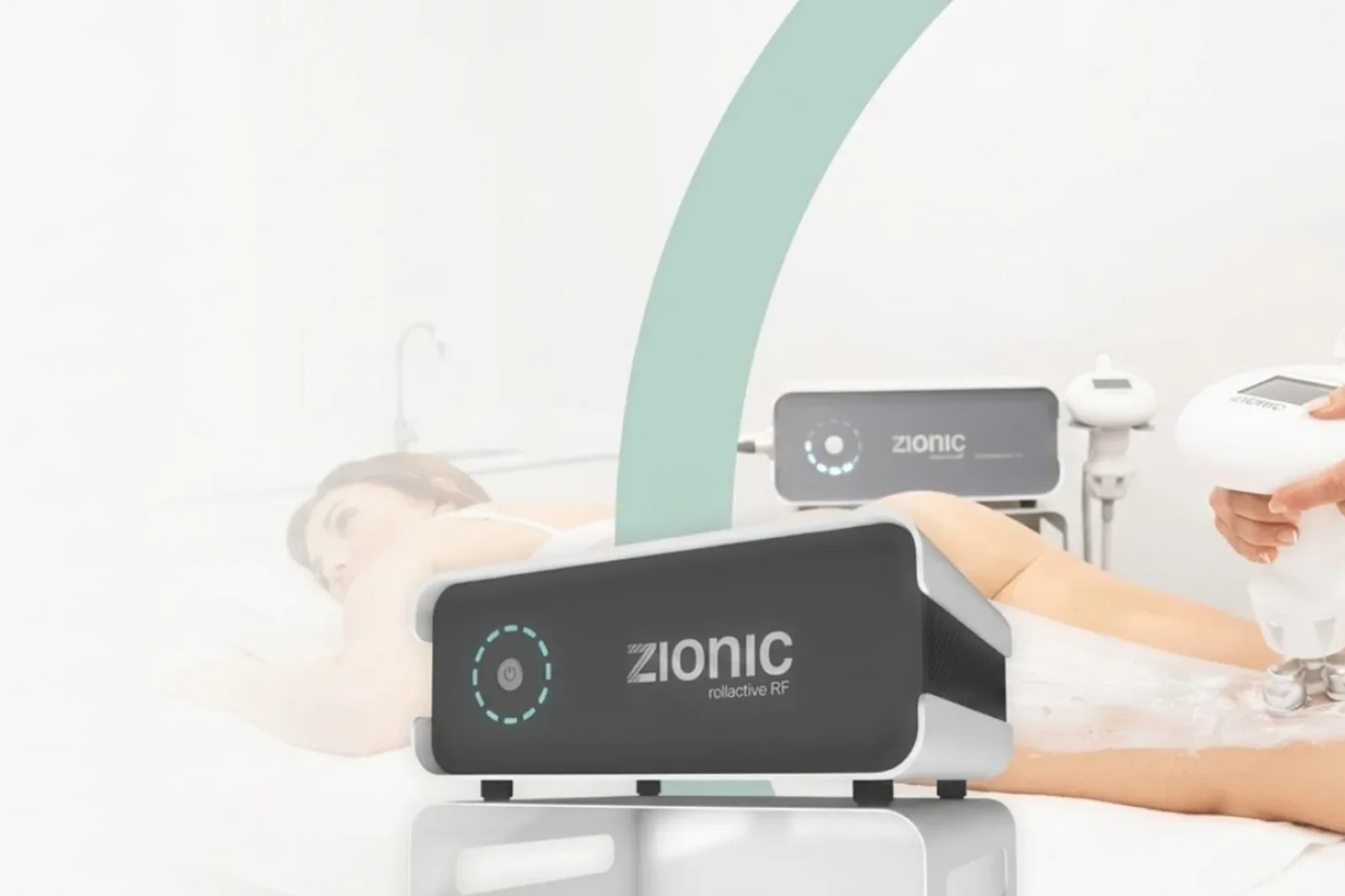
Zionic
Zionic is a treatment considered in line with the person's needs and expectations. At Kaya Clinique it is assessed with an understanding of…
Explore the Technology →Frequently asked questions
How are Cryolipolysis prices determined in 2026?
No amount for Cryolipolysis prices appears on this page. Sharing fees and announcing campaigns is restricted for healthcare institutions by regulation.
Although no figure is given, we can say plainly what varies in Cryolipolysis. The determining items are:
- How many regions are addressed
- The number of applications planned per region
- The thickness of the fat layer and its suitability for the applicator
- The inclusion of the assessment at the fourth month
Each item carries different weight in each person, so Cryolipolysis does not fit a single price tag. What will be done and how it will proceed is shared item by item in consultation.
Treatments considered alongside this one
Whether they can be planned together is decided at examination; this is not a recommendation list.
Further reading on this topic
Body Contouring Devices: Which One for Which Problem?
Fat tissue, cellulite appearance, fluid retention and laxity are separate headings. Which technology is discussed for which problem, and who it is not for.
Read the articleCryolipolysis or Liposuction? A Guide to Deciding
Cryolipolysis is a non-surgical option for stubborn regional fat; liposuction is surgery for larger volume. Compare mechanism, expected change and the limits.
Read the article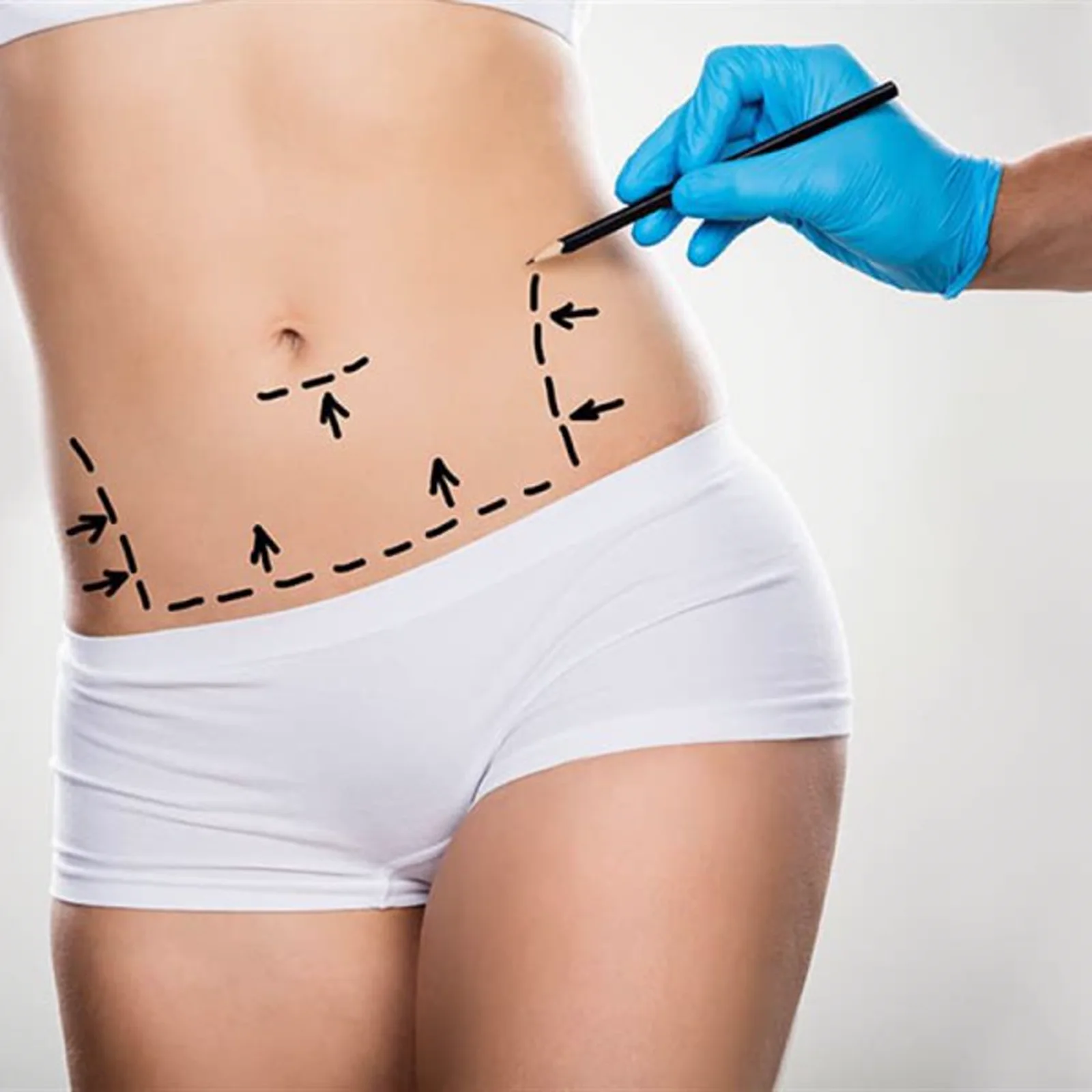
Mommy Makeover Guide: Which Change, Which Approach?
Change after childbirth is not handled by one procedure. Which complaint is matched to which approach, when the process begins and how the order is built.
Read the article