Breast Reduction
Comfort and balance
Breast Reduction is a treatment considered in line with the person's needs and expectations. At Kaya Clinique it is assessed with an understanding of comfort and balance in body proportions, and with individual planning.
Arrange a Specialist ConsultationBreast reduction sits apart from most aesthetic procedures because the reason people arrive with it is usually a symptom rather than an appearance. Back pain, shoulder grooving, posture. The sections below cover that functional side, the breastfeeding question, what can honestly be said about funding, and the recovery.
Does breast reduction help back and neck pain?
This operation has both an aesthetic and a functional dimension, and the second is frequently the reason for the consultation.
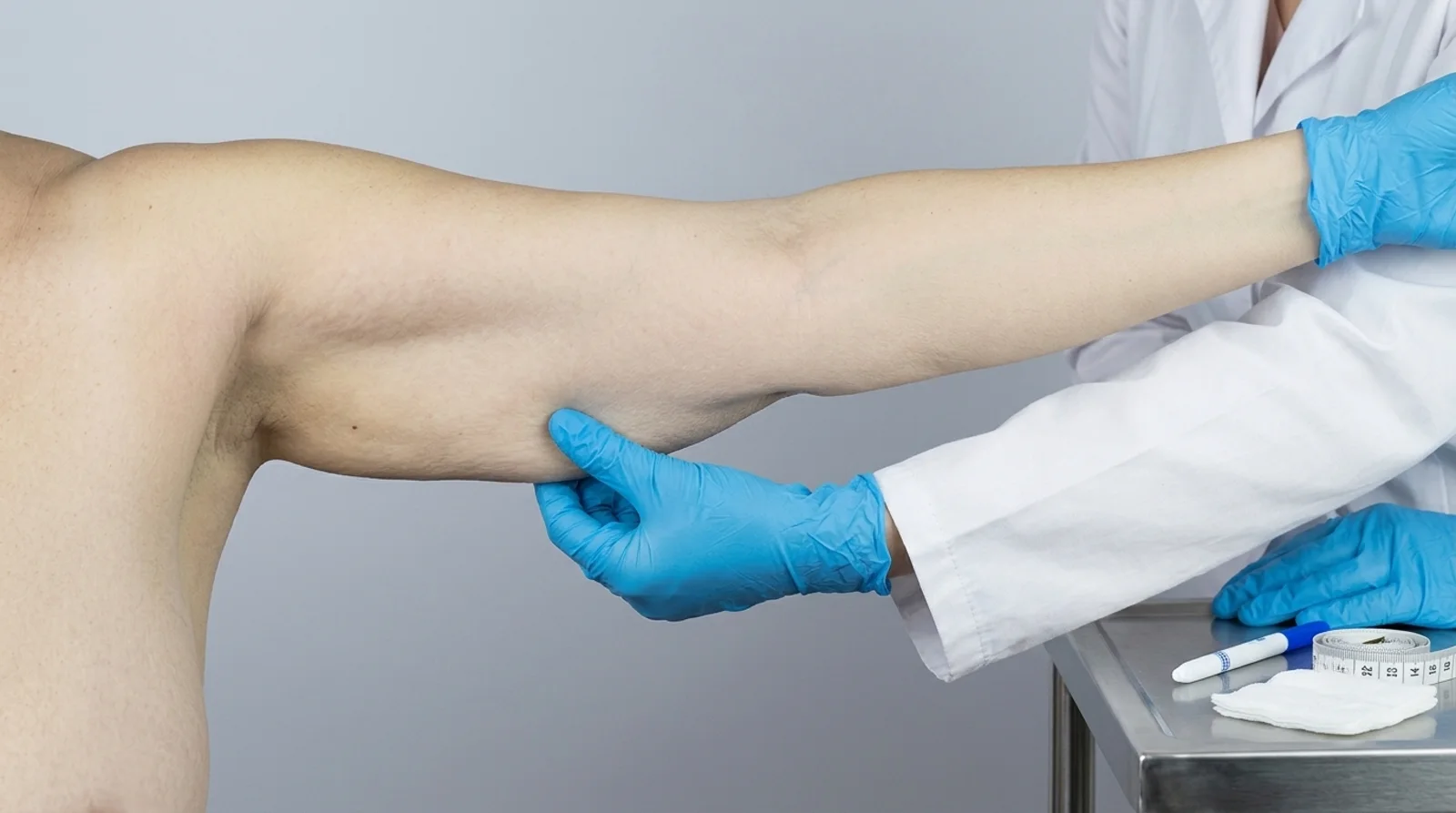
The weight carried by large breast tissue is transmitted to the shoulders, neck and back. Over time this can alter posture and develop into a persistent pattern of pain, which is what most people are describing when they use the word discomfort. Where excess skin elsewhere on the torso accompanies this picture, the plan may widen: abdominoplasty and arm lift are assessed separately within the same consultation.
Skin problems in the fold beneath the breast often accompany the picture: irritation from moisture and friction, and recurrent fungal or bacterial issues. Grooving of the shoulders from bra straps is another finding raised regularly.
The literature reports high patient satisfaction with this operation, and significant improvement on quality of life measures has been reported in the first three months after surgery. That is not a personal guarantee, but it does explain why the complaint is so often symptom led.
A boundary is needed nonetheless. Breast volume is not always the sole cause of pain; a spinal problem, muscular imbalance or postural habit can contribute to the same picture. Assessment is therefore not made on volume alone, and another specialist opinion is requested where appropriate.
Most people arriving for this operation are not describing what they see in the mirror. They are describing what they feel in their shoulders by the end of the day.
Can you breastfeed after breast reduction?
This is the question that most influences the decision for younger patients, and the honest answer is this: breastfeeding can be affected, but that is a possibility rather than a certainty, and it depends on the technique and the individual.
During surgery part of the breast tissue is removed and the nipple areola complex is repositioned. The degree to which milk ducts and the nerve supply to the nipple are affected varies with the technique used, and some techniques can be planned to preserve these structures more.
The practical implication is straightforward. Anyone who may want to breastfeed in future should say so at the consultation, because it is an input into technique selection and belongs in the conversation beforehand rather than afterwards. The possibility of a change in nipple sensation is a standard item in the same discussion.
Where breastfeeding is planned in the near future, deferring surgery may also be discussed, since pregnancy and breastfeeding change breast tissue noticeably and can reshape the result.
Is breast reduction covered by insurance?
No definitive answer can be given here, and giving one would be inaccurate. Whether a procedure is covered varies by institution and by indication.
What determines it is whether the procedure rests on a functional indication. That assessment is made through a physician's report, and the content of the report is based on the person's symptoms, the examination findings and any imaging. The process itself differs between institutions.
What happens at the consultation is therefore not a promise but an assessment: whether the picture constitutes a functional indication, and how the necessary documentation would be prepared. What follows is subject to the relevant institution's own evaluation.
What is the recovery timeline after breast reduction?
Recovery proceeds in stages, and both work and exercise plans are built around them.
First days
Swelling, tenderness and a feeling of tightness are usual. Arm movement is limited and a support garment is used.
1 to 2 weeks
Returning to daily life is considered in this range, while lifting and overhead movement remain restricted.
4 to 6 weeks
Gradual return to exercise is assessed here; the load on the suture lines is increased in stages.
Following months
As swelling resolves the shape continues to settle and the appearance changes gradually.
Up to 1 year
Full maturation of the scars can take this long; assessment follows the resolution of swelling.
What kind of support garment is used?
A supportive, non-wired garment is used in the early period, both to support the tissue and to reduce the load on the suture lines. When to move to a wired bra is decided by the surgeon according to how healing is progressing. Support is also needed during exercise, so garment choice is discussed alongside the decision to resume sport.
When can the arms be used normally?
Movements that raise the arms overhead or strain the chest muscles are restricted in the early period. The restriction relates to protecting the suture lines rather than to comfort, and which movements resume when is decided by the surgeon on the findings at follow-up appointments.
What do the scars look like?
This operation leaves scars and there is no version of it that does not. Tissue is removed and the breast is reshaped, so incisions are unavoidable; a breast reduction without scarring does not exist.
Where the scars sit depends on the technique used, and this is discussed before surgery rather than discovered afterwards. They fade over months, though full maturation can take up to a year, and they do not disappear at the end of it.
How a scar matures is influenced by sun protection and by following the care routine described by the surgeon. Where there is a known tendency towards keloid or hypertrophic scarring, healing is assessed separately, and this question is always asked at the consultation.
How long do breast reduction results last?
Results are long lasting. The tissue removed does not return and the reshaped structure stays in place. How the scar along the incision matures is set out under scar revision.
The breast nonetheless remains a tissue that continues to change, and saying so from the outset is part of setting the expectation properly.
Over time it produces changes in the tissue that no technique halts entirely.
Significant weight gain or loss directly affects volume and skin tension.
Pregnancy and breastfeeding reshape breast tissue and can alter the result.
The natural reduction in skin elasticity changes how the tissue is supported.
These four factors explain why the result is not described as a frozen image. No promise is made that descent will never occur again; what is offered is a reduction in the current load and a change that lasts.
What are the risks of breast reduction?
This is a substantial surgical procedure and the risk profile is assessed accordingly.
Bleeding, infection, problems with wound healing and anaesthesia-related risks apply as in any operation. Alongside these sit considerations specific to this procedure: changes in sensation around the nipple, asymmetry between the two sides, healing difficulties along the suture lines and the possibility that breastfeeding capacity is affected. Problems relating to the blood supply of the nipple areola complex are uncommon but recognised.
Smoking is particularly relevant here, since it reduces blood supply to tissue and increases both wound healing difficulties and circulation-related risks. Surgeons ask for it to be stopped for a period around the operation for this reason. Where the concern is localised fat rather than excess breast tissue, the subject is not surgical; cryolipolysis answers a different question. Expectations about the face are assessed separately under facial aesthetics.
- Physical complaints related to excess volume.
- Reducing the load by removing tissue.
- Assessment of a functional indication.
- Discussing breastfeeding and sensation beforehand.
- Adequate volume with descended tissue.
- Repositioning the nipple areola complex.
- Planning with an implant where volume is wanted.
- These are covered on their own pages.
The final step is written informed consent. The document records that the technique, the placement of the incisions, the possibilities regarding breastfeeding and sensation, the recovery timeline and the known risks have all been discussed. Planning and performing the operation is the responsibility of the treating physician in a healthcare facility meeting the required standards; the clinic's role covers assessment, information and the follow-up period.
This content is provided for general information only and does not constitute medical advice. Breast reduction is a surgical procedure and carries risks including bleeding, infection, problems with wound healing, anaesthesia-related risks, changes in sensation around the nipple, asymmetry and effects on breastfeeding capacity; problems relating to the blood supply of the nipple areola complex are uncommon but recognised. This operation leaves scars; they fade over months, full maturation can take up to a year and they do not disappear. Breastfeeding and nipple sensation may be affected; this depends on the technique and the individual and should be discussed before surgery. High patient satisfaction is reported in the literature and significant improvement on quality of life measures has been reported in the first three months after surgery. Returning to daily life is considered at one to two weeks and gradual return to exercise at four to six weeks. Results are long lasting but can change with gravity, weight change, pregnancy and ageing; no promise is made that descent will not occur again. Whether the procedure is covered varies by institution and by indication; assessment of a functional indication is made through a physician's report and no undertaking is given on this matter. The decision to operate is made together with the physician after a detailed examination and a written informed consent process.
Content overseen by Aysun Kaya, Founder · Kaya Clinique · on Bağdat Avenue since 2019. Our publishing standards are set out in our editorial principles.
From consultation to care, the process

Beklentilerinizi dinleyerek, kişiye özel bir yol haritası oluşturuyoruz.

Modern, hijyenik ve mahremiyeti önceleyen bir klinik ortamı.

Konforunuz gözetilerek, ölçülü ve kontrollü bir yaklaşım.

Süreç sonrası bilgilendirme ve takip ile yanınızdayız.

Frequently asked questions
How are Breast Reduction prices determined in 2026?
The absence of a figure for Breast Reduction prices on this page is not a choice but a legal boundary: announcing procedure fees and promoting on price is prohibited.
What we can share is what shapes the planning of Breast Reduction. The following items determine the process:
- The amount of tissue to be removed
- The incision pattern chosen and the operating time that follows
- Whether accompanying findings are included in the plan
- Follow-up examinations planned through recovery
For this reason we do not fix a figure for Breast Reduction in advance. Examination first, then the plan; pricing rests on that plan and is shared in consultation.
Treatments considered alongside this one
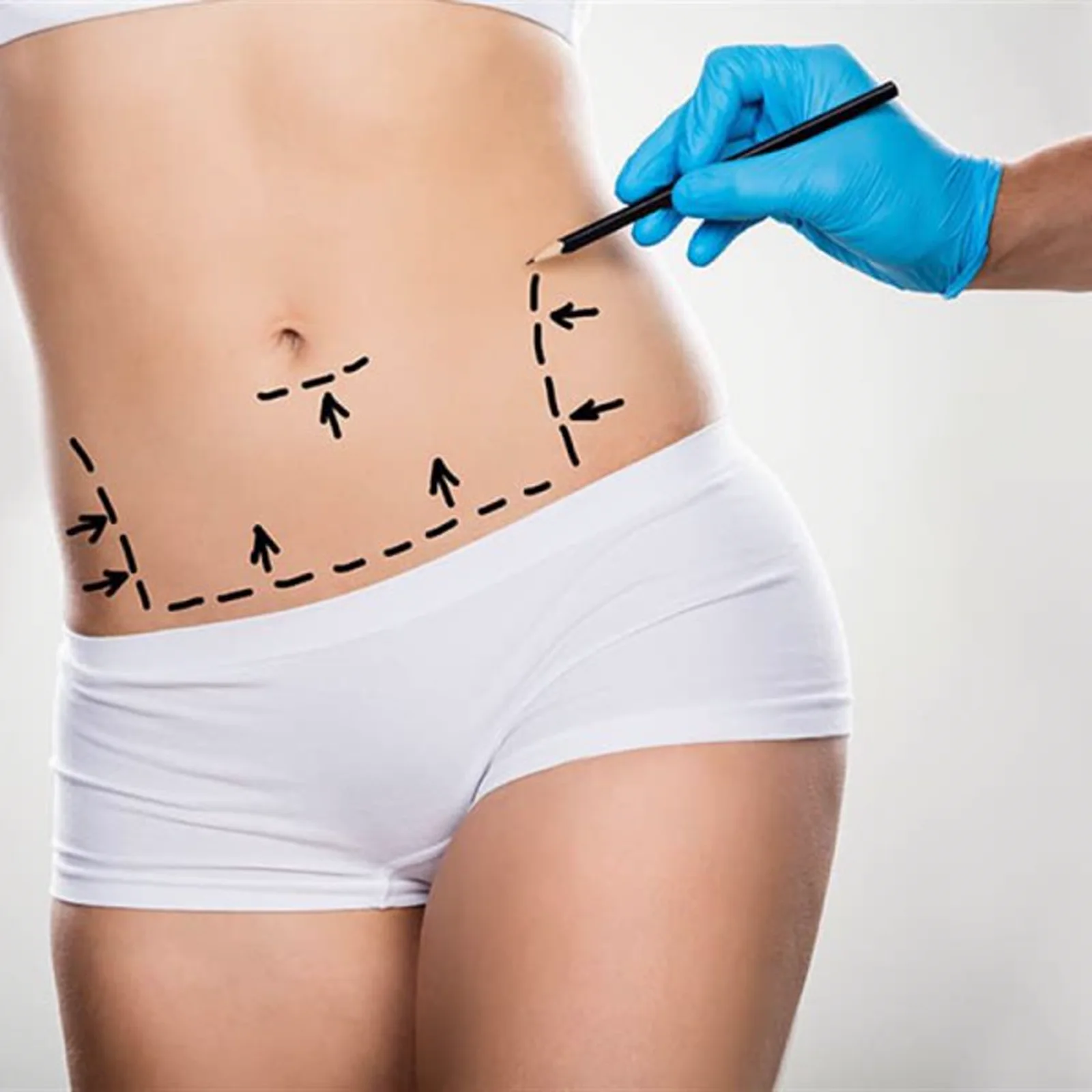
Whether they can be planned together is decided at examination; this is not a recommendation list.