Buttock Aesthetics
Proportionate body lines
Buttock Aesthetics is a treatment considered in line with the person's needs and expectations. At Kaya Clinique it is assessed with an understanding of comfort and balance in body proportions, and with individual planning.
Arrange a Specialist ConsultationButtock aesthetics is discussed more widely than almost any other body procedure, and the discussion usually concerns how a result looks rather than how it is achieved. The technical question sits ahead of the aesthetic one: which plane the fat is placed in. This page begins there.
What does buttock aesthetics involve?
The heading covers more than one procedure. Two main approaches exist: placing a silicone implant, and transferring the person's own fat tissue. In some plans both are considered.
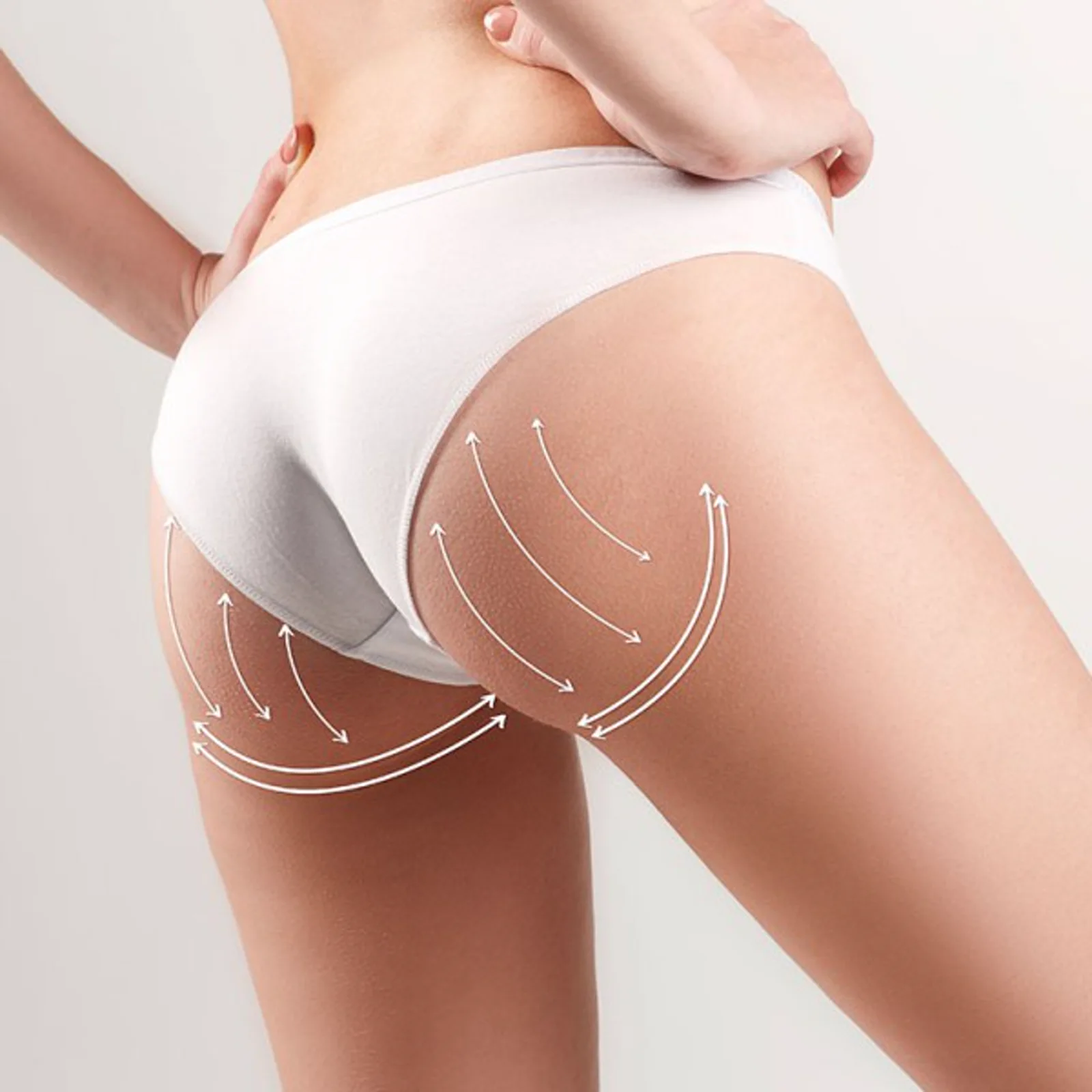
The reasons for enquiry generally fall into two groups. The first is a lack of volume in the area, where the desired fullness is not achieved regardless of weight or exercise. The second is contour, where the transition between the buttock, the waist and the thigh is not as the person would like.
The assessment covers more than the area itself. Body proportions, the current distribution of fat tissue, skin quality and general health are considered together. Where localised fat is itself the complaint, that is a separate heading assessed under cryolipolysis, while expectations about the skin surface are discussed under Zionic. Where fat transfer is being contemplated, whether there is sufficient tissue in the donor areas is also an input, which is why this option is not always available to people with very little body fat.
Is fat transfer to the buttocks safe?
This is the most important information on the page. What matters in gluteal fat transfer is not how much fat is placed but which layer it is placed in.
The current safety consensus is clear: transferred fat is placed in the subcutaneous plane and not within the muscle. The reason is that deeper placement has been associated with the risk of fat embolism, which is the most serious consideration in this procedure and one directly related to technique.
Safety protocols in this area have been updated in recent years and practice has changed accordingly. For that reason the procedure should be carried out only by experienced surgeons applying those protocols. Choice of surgeon here is not a matter of preference; it is part of the safety of the procedure itself.
The first question to ask about this procedure is not what the result will look like. It is which plane the fat will be placed in.
Discussing this openly at the consultation matters as much as the information itself. A person is expected to make a decision knowing how the procedure will be performed, which plane will be used and why that is the determining factor.
Why do the team and the setting form part of this?
Safety in this procedure is not limited to the surgeon's technique. The equipment of the facility where it is carried out, the presence of an anaesthetic team and the conditions for postoperative monitoring are all part of the picture. Where and under what conditions the procedure will take place is therefore discussed as much as the procedure itself.
Implants or fat transfer?
The two approaches reach a similar goal by different routes, and the choice is made according to the person's tissue and expectation.
- The person's own tissue is used and no foreign material is introduced.
- Contour also changes in the area the fat is taken from.
- Part of the transferred fat is absorbed by the body over time.
- Sufficient fat tissue in donor areas is a precondition.
- Volume is provided directly and predictably.
- It remains an option where fat tissue is insufficient.
- Capsule formation and displacement are relevant risks.
- Recovery is planned separately because of the placement site.
Planning does not stop once the method is chosen. Which areas the fat will be taken from, how the contour of those areas will be affected and which parts of the buttock will receive volume are each planned separately, because these details determine how natural the result reads.
How long do buttock aesthetics results last?
The answer differs by method and needs stating clearly from the outset.
In fat transfer, not all of the transferred tissue remains in place; a portion is absorbed by the body during the first months. What remains is the person's own tissue and continues to behave with the rest of the body, which means significant weight change affects the result directly.
With an implant, volume is provided directly, so that absorption process does not apply. In return, the follow-up considerations specific to implants come into play and are assessed over time.
Common to both is this: the buttock, like the rest of the body, is an area that changes over time. Weight change, the natural reduction in skin elasticity with age and overall body composition can all affect the appearance again, so no undertaking is given that the result will remain unchanged.
Timing also matters within this. In fat transfer the volume seen early on does not reflect the final result, partly because of swelling; assessment is not made until the absorption process has completed. The same logic applies in neighbouring regions: leg contour is addressed under leg and calf implants, excess skin on the abdomen under abdominoplasty, and looseness of the arms under arm lift.
Whether there is fat that can be transferred determines the method.
The size of the increase wanted affects how the plan is built.
A settled weight matters for how the result holds over the longer term.
A routine involving long periods of sitting bears directly on recovery.
What does recovery involve?
Recovery here differs from other body procedures in one respect: the pressure placed on the area has to be managed.
First days
Swelling and tenderness are expected. Direct pressure on the area is avoided and movement is organised accordingly.
Early period
Sitting and lying arrangements follow the surgeon's instructions, and a compression garment is part of this period.
Intermediate period
Everyday movement is opened up in stages, with the sequence determined at follow-up appointments.
Following months
As swelling resolves the contour becomes clearer; in fat transfer the final assessment follows absorption.
Why is there a sitting restriction?
Direct pressure on the area holding the transferred tissue or the implant is not wanted in the early period. Sitting arrangements are therefore modified and a supportive cushion is used where necessary. How long the restriction lasts varies with the individual and the method, so no fixed number of days is given here; the surgeon sets the period.
What if I sit at a desk all day?
For anyone working in a desk-based role this restriction bears directly on work planning. The return-to-work timetable is therefore discussed before surgery and arranged around the working pattern. Sorting the leave out in advance makes a practical difference to how the recovery goes.
What are the risks of buttock aesthetics?
This is a surgical procedure carried out under general anaesthesia; bleeding, infection and anaesthesia-related considerations are present as in any operation.
The items specific to each method then diverge. In fat transfer the most serious heading is the risk of fat embolism associated with deep placement; it is addressed by using the subcutaneous plane, and this is why technique carries so much weight. Where a plan for the breast region is running in the same period the scope is calculated together, since breast augmentation brings its own recovery timeline, and how the scar matures is set out under scar revision. Alongside it sit absorption of part of the transferred tissue, asymmetry between the two sides and contour irregularity in the donor areas. Where an implant is used, capsule formation and displacement of the implant are recognised headings.
Because smoking reduces the blood reaching tissue, it affects both wound healing and the survival of transferred tissue, so stopping is requested. Preparation reviews general health, regular medications and previous procedures in detail.
Compliance with the recovery period is directly connected to the result here. Pressure applied early can affect how the transferred tissue settles and where an implant sits, which makes following the instructions on sitting and movement one of the most practical parts of this operation.
Who is this procedure not suitable for?
Fat transfer requires the person's own tissue to be taken from another area, so sufficient fat in the donor sites is a precondition and the method is not always available to people who are very slim. In such a case the implant option is assessed instead.
Beyond that, the decision stage is largely about expectation. Whether the person knows which method will be used, which plane will be used in fat transfer, how far the result can change and what the sitting restriction involves is established before a plan is made. Where a significant weight change is planned in the near future, deferring the procedure is considered.
All of this is recorded in a written informed consent document setting out the method selected, the technique to be used, the known risks, the restrictions during recovery and the limits of the result. The procedure itself is planned and carried out by the physician responsible, in a facility equipped to the standards it requires; our involvement covers assessment, information and the appointments that follow.
This content is provided for general information only and does not constitute medical advice. Buttock aesthetics is a surgical procedure and carries risks including bleeding, infection, anaesthesia-related risks, asymmetry and contour irregularity. In fat transfer, placing the fat in the subcutaneous plane rather than within the muscle is the current safety consensus; deeper placement has been associated with the risk of fat embolism. Safety protocols in this area have been updated in recent years and the procedure should be carried out only by experienced surgeons applying those protocols; choice of surgeon and technique are of critical importance. Part of the transferred fat is absorbed by the body. Where an implant is used, capsule formation and displacement of the implant are recognised risks. Results can change with weight change and ageing; no undertaking is given that the result will remain unchanged. There are restrictions on pressure to the area during recovery and the duration is determined by the surgeon. The decision to proceed is made together with the physician after a detailed examination and a written informed consent process.
Content overseen by Aysun Kaya, Founder · Kaya Clinique · on Bağdat Avenue since 2019. Our publishing standards are set out in our editorial principles.
From consultation to care, the process

Beklentilerinizi dinleyerek, kişiye özel bir yol haritası oluşturuyoruz.

Modern, hijyenik ve mahremiyeti önceleyen bir klinik ortamı.

Konforunuz gözetilerek, ölçülü ve kontrollü bir yaklaşım.

Süreç sonrası bilgilendirme ve takip ile yanınızdayız.
Related technology

Cryolipolysis
Cryolipolysis is a treatment considered in line with the person's needs and expectations. At Kaya Clinique it is assessed with an understanding of…
Explore the Technology →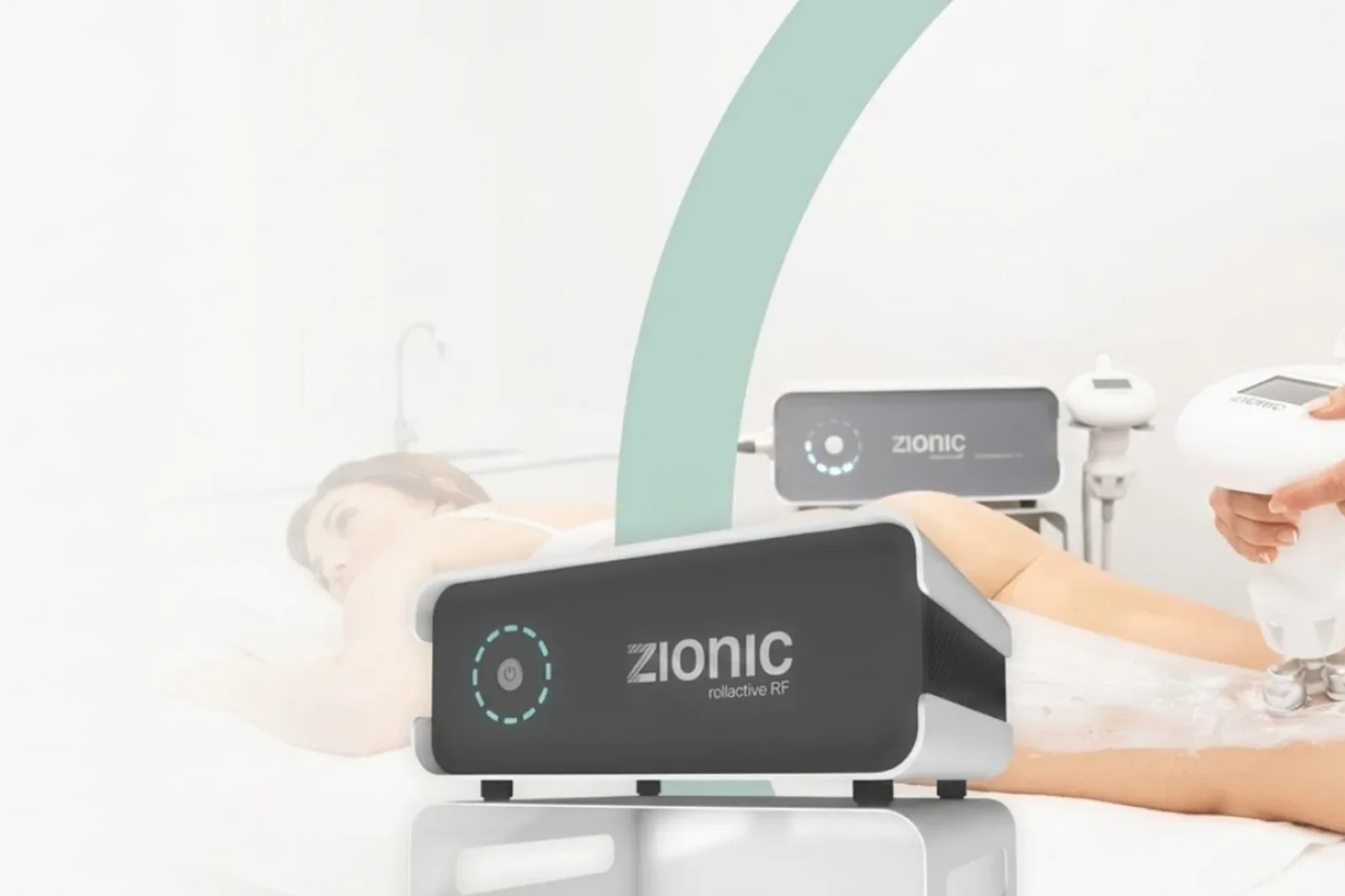
Zionic
Zionic is a treatment considered in line with the person's needs and expectations. At Kaya Clinique it is assessed with an understanding of…
Explore the Technology →Frequently asked questions
How are Buttock Aesthetics prices determined in 2026?
The absence of a figure for Buttock Aesthetics prices on this page is not a choice but a legal boundary: announcing procedure fees and promoting on price is prohibited.
What we can share is what shapes the planning of Buttock Aesthetics. The following items determine the process:
- Whether the plan uses fat transfer or an implant
- In fat transfer, how many donor areas and how much tissue is moved
- The length of the operation and the anaesthesia choice
- Reviews planned to monitor the absorption process
For this reason we do not fix a figure for Buttock Aesthetics in advance. Examination first, then the plan; pricing rests on that plan and is shared in consultation.
Treatments considered alongside this one
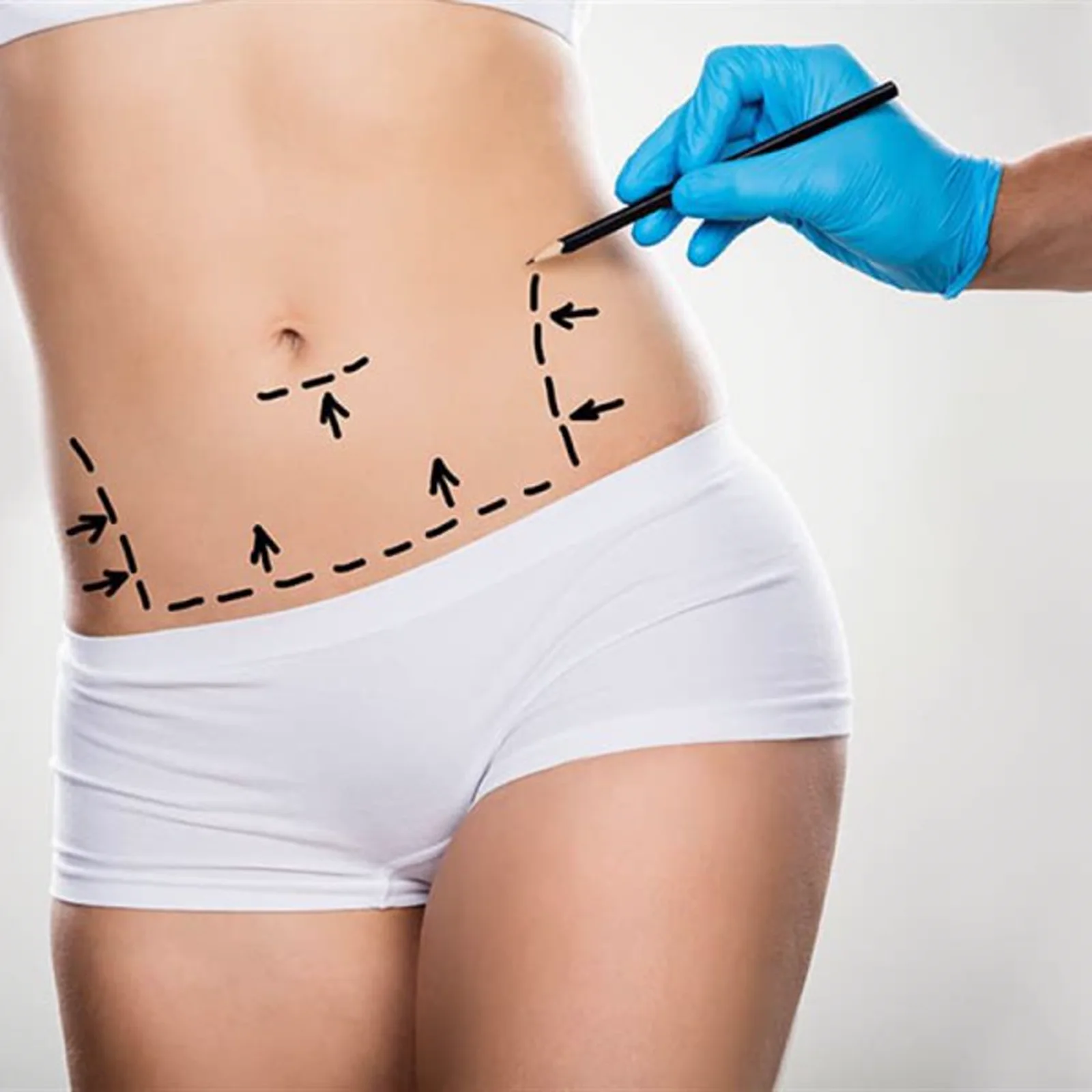
Abdominoplasty
Balance across the abdomen
More Details →
Leg and Calf Implants
A balanced leg contour
More Details →Whether they can be planned together is decided at examination; this is not a recommendation list.