Lip Filler
Measured volume and a hydrated look
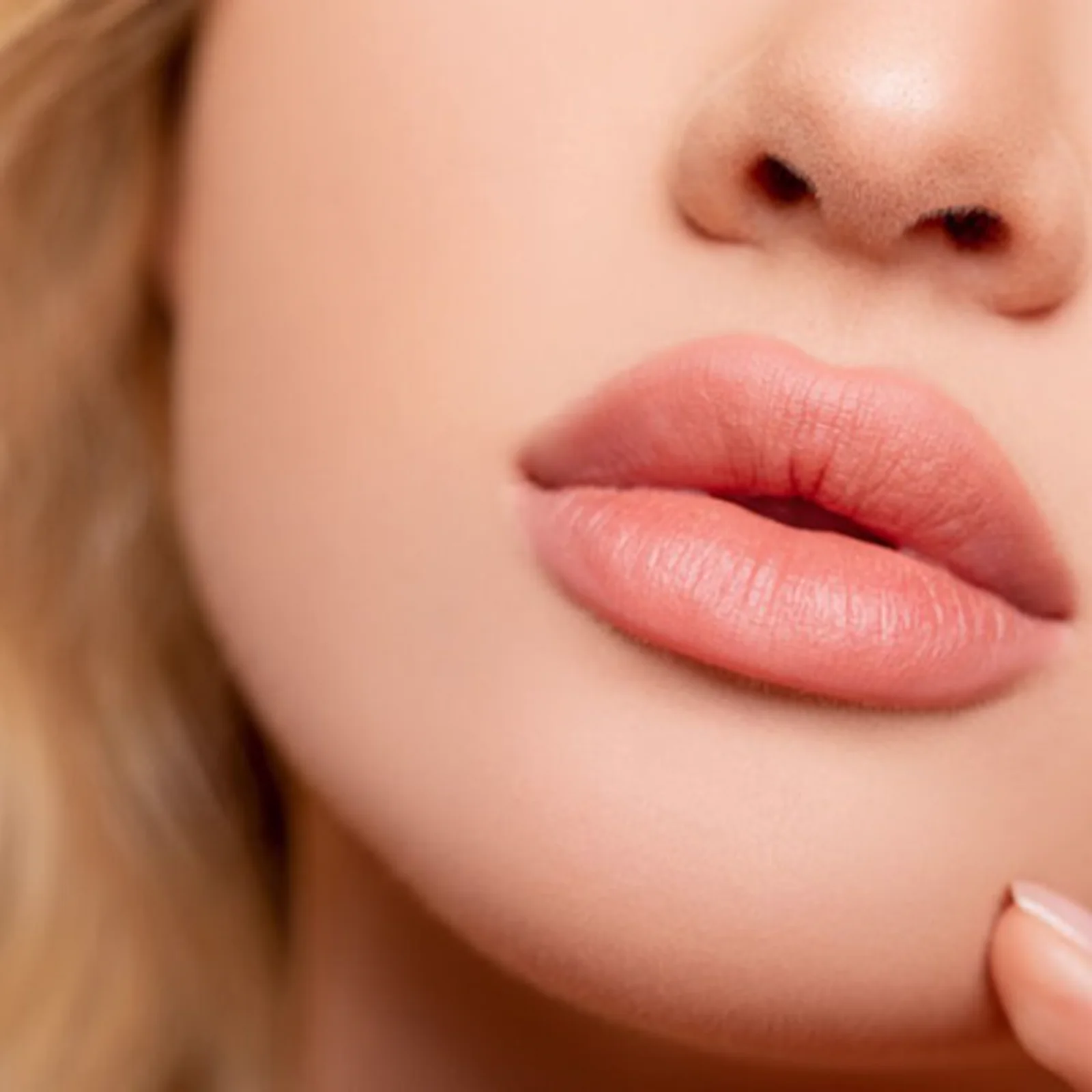
Lip Filler is a treatment considered in line with the person's needs and expectations. At Kaya Clinique it is assessed with an understanding of a measured, natural look in facial expression, and with individual planning.
Arrange a Specialist ConsultationLip filler is among the best known treatments in medical aesthetics and among the most misunderstood. The questions cluster in three places: how long it lasts, when the swelling settles and what happens when it wears off. The sections below answer those, explain why the lip metabolises product faster than anywhere else, and set out why technique matters here as much as it does.
Which product is used in lip filler?
Hyaluronic acid based fillers are used. Hyaluronic acid occurs naturally in the body; the form used as a filler is a cross-linked gel, placed into or beneath the skin to add volume and define contour.
One property distinguishes this material from other filler substances: hyaluronic acid fillers can be dissolved with the enzyme hyaluronidase. That is a safety feature which can be called on both when an unexpected appearance results and in an emergency.
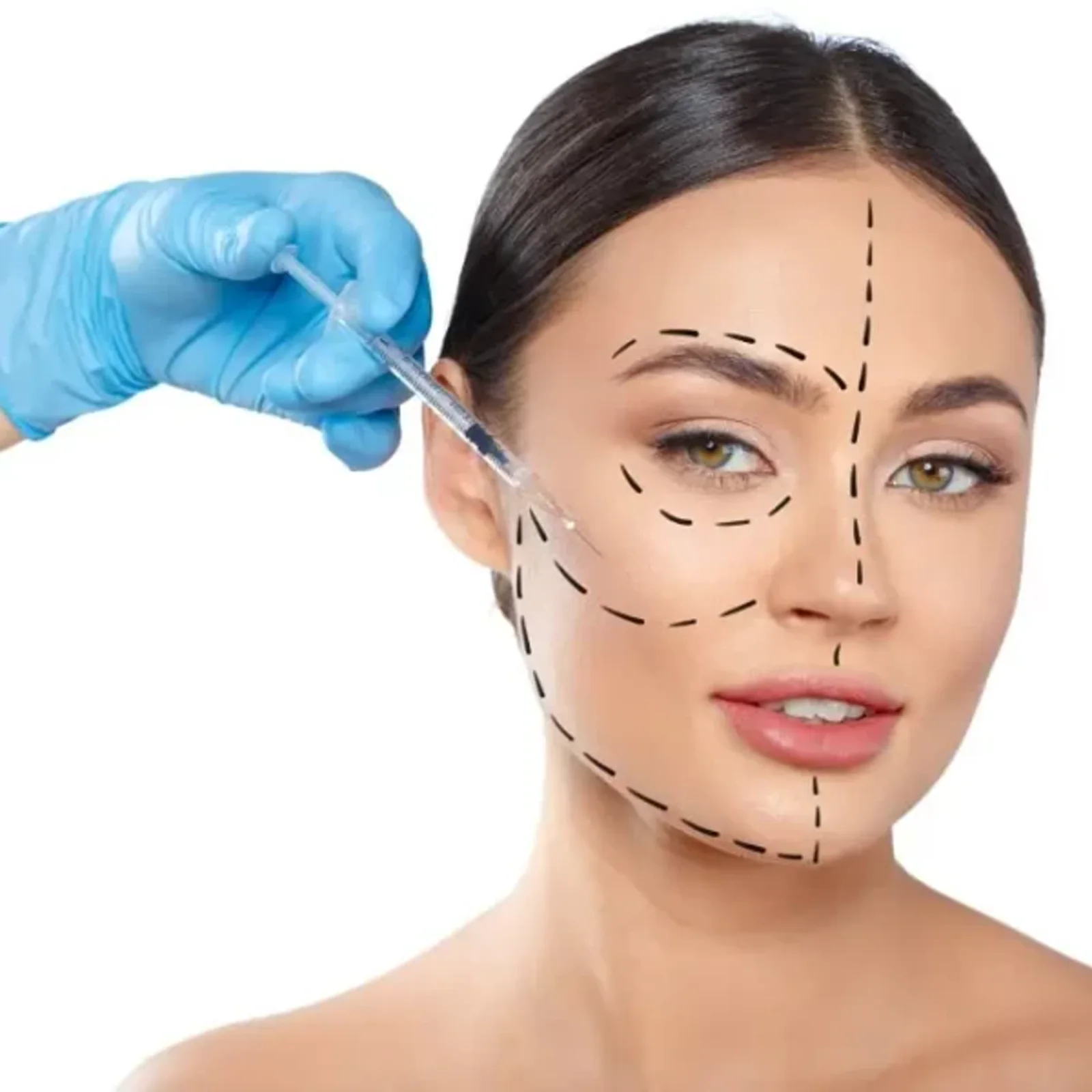
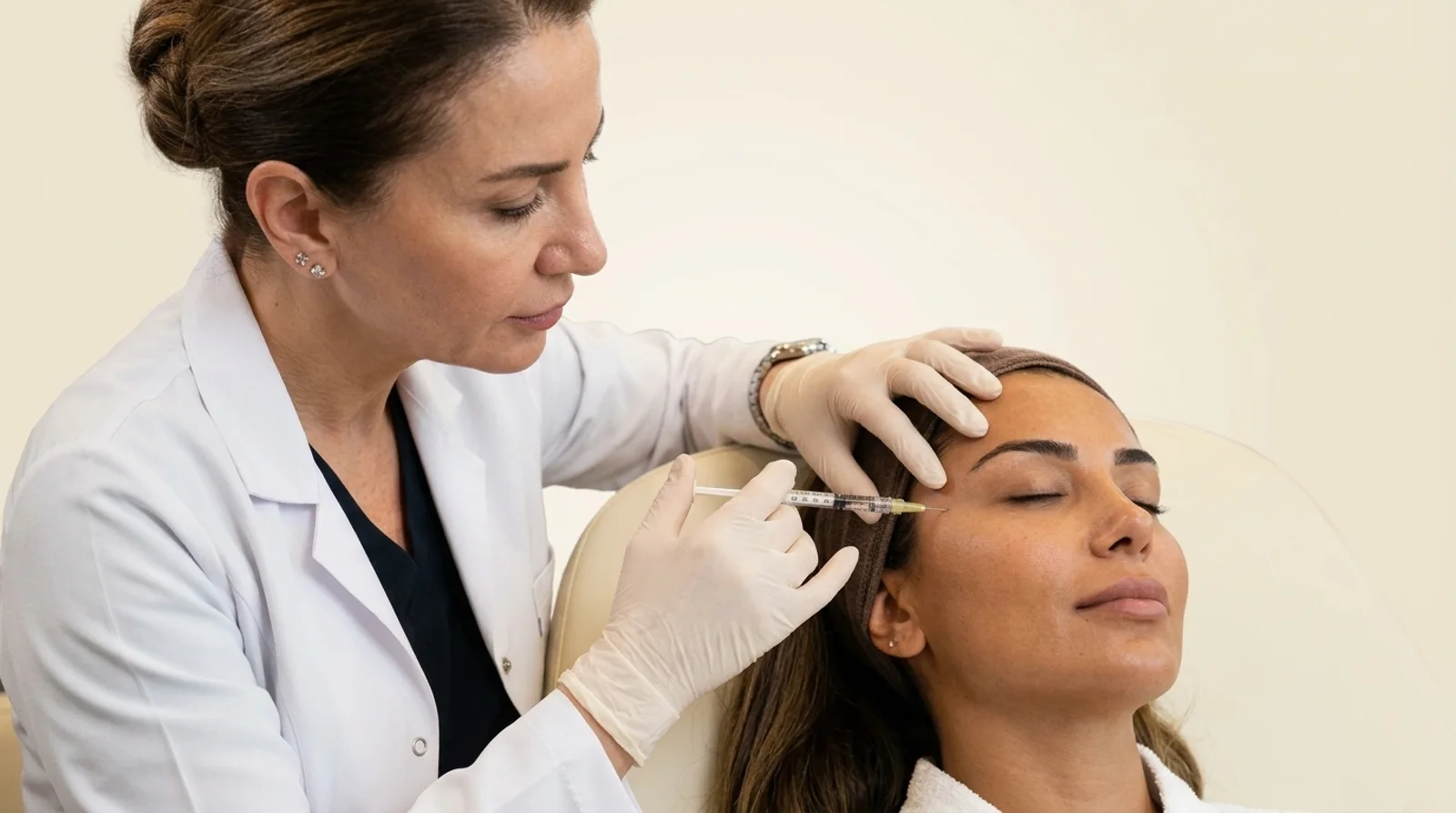
Technique determines the outcome directly. Knowing the anatomy of the area, selecting the appropriate instrument and injecting slowly at low pressure are decisions affecting both appearance and safety, which is why the treatment should be carried out in a clinical setting by a physician able to manage its complications.
Product choice is also made according to the region. The lip is both mobile and soft, so the characteristics sought in a product here differ from one used over bone. That choice influences the appearance, how the lip feels to the touch and how long the result lasts, and it is made at examination.
How long does lip filler last?
In the lip, duration is reported on average in the range of six to twelve months. The range varies with the product, the individual and the technique, so a single figure would be misleading.
There is a clear reason this is the shortest range among facial fillers: the lip is the most mobile region of the face. Tissue that moves constantly during speech, laughter, eating and drinking metabolises the product placed in it more quickly.
How much the region moves through the day directly affects the rate of metabolism.
The same treatment can recede over different periods in two people.
The structure of the product is one of the variables affecting duration.
Which layer receives product, and in what form, shapes both duration and appearance.
Timing of any repeat treatment follows the same logic. When the product begins to recede, the moment for a further session is determined by the condition of the region rather than by the calendar; an early repeat can lead to unwanted accumulation, so the decision is made at examination with the person's own observation taken into account.
When does the swelling go down?
This is the most asked question after treatment, and the answer is best given as a timeline. What is seen in the early period is not the result.
First 24 to 72 hours
Swelling is at its most pronounced in this window. The appearance here does not reflect the final outcome.
First days
Bruising can occur and is a recognised side effect, expected to settle within days.
Up to 2 weeks
Swelling and bruising generally complete their resolution within this period.
After 2 weeks
The final appearance settles at this stage, and assessment is not made before it.
That timeline has a practical consequence. Commenting on the result immediately after treatment is as unhelpful as booking a session shortly before an important occasion; the appearance is given time to settle.
The result of a filler is not visible in the mirror on day one. It is visible in the mirror at the end of the second week.
What should be considered afterwards?
Aftercare varies with the person and the treatment, so rather than a standard list, the instructions given by the physician are what apply.
The general framework is that the area is not put under strain in the early period, which supports the product settling. When a particular activity can safely be resumed depends on the scope of the treatment and on how the individual heals, and this is explained in detail afterwards.
There is one further thing worth knowing: some situations require follow-up. Swelling lasting longer than expected, a firmness that can be felt in the area, increasing pain or a change in colour should prompt contact with the physician without waiting for an appointment.
Which findings should be reported without delay?
Pain that increases steadily after treatment, blanching or a colour change towards purple, a sensation of coldness and any change relating to vision are findings that need reporting promptly. That these situations are uncommon does not mean they should be unknown; reporting early is what allows intervention to happen in time, and the appointment day is not waited for.
Do lips sag once the filler dissolves?
This is the concern raised most often by people considering treatment, and the answer is clear: the lip does not become more slack than it was as the product recedes.
Hyaluronic acid is metabolised by the body over time and the process is gradual. As the product reduces, the region moves back towards the appearance it had before treatment. The recession is a return to the starting point rather than a deterioration.
Where the concern comes from is understandable. Someone accustomed to a fuller appearance over a long period can perceive their previous state as less full than it is once the product recedes. That is a matter of perception rather than a change in the tissue.
The region does nonetheless change over time. Ageing affects lip tissue as it affects everything else; that is a natural change occurring in any case rather than a consequence of the filler. The quality of the skin around the mouth sits on its own axis; where moisture and texture are the concern, the heading discussed is hydration booster rather than volume.
How does lip filler fit with the rest of the face?
The lip is not assessed in isolation. In profile, the relationship between the nose, the lips and the chin forms a single line, and the balance of that line cannot be established by looking at one region. Where the width of the lower face comes from the chewing muscle, the heading is masseter treatment; definition of the upper mid-face is discussed under cheekbone filler.
- Only the volume and contour of the lip are considered.
- The expectation is limited to a regional change.
- Other headings on the profile line do not arise.
- This suits a limited and clearly defined request.
- The relationship between nose, lips and chin is taken together.
- Which region stands out is determined by examination.
- In some plans non-surgical nose reshaping is discussed.
- The aim is the balance of the line rather than a single region.
What are the risks and why does technique matter?
The common side effects are swelling and bruising, both settling within days to two weeks. Less frequently, nodule formation, movement of the product from where it was placed and delayed inflammatory reactions are reported; this last group requires physician follow-up. Where the request turns out to concern the regions around the lip rather than the lip itself, other headings apply: mid-face volume under cheek filler and surface irregularity on the forehead under forehead filler.
The most serious complication is uncommon: injection of product into a blood vessel. This can compromise the blood supply to skin tissue, and around the eyes and nose, very rarely, consequences affecting vision have been reported. The seriousness of that risk explains why technique carries so much weight here.
The factors reducing that risk are known: familiarity with the anatomy of the region, use of a cannula where appropriate, and working slowly at low pressure. An emergency hyaluronidase protocol also needs to be available should such a situation develop. Carrying out the treatment in a clinical setting, by a physician able to manage this complication, is therefore a requirement rather than a preference.
The existence of this risk is not a reason to avoid treatment; it is a reason to ask where it is being done and by whom. An account that minimises the risk and one that exaggerates it are both inaccurate.
Who is lip filler not suitable for?
In some situations the treatment is not carried out or is deferred to a more appropriate time, and this assessment is made at examination based on what the person shares.
These treatments are not recommended during pregnancy or breastfeeding, as safety data for those periods is not available. They are also not carried out where there is an active infection, where there is an active cold sore in the treatment area, or where there is a known allergy to the product used.
The other subjects at the decision stage are expectation and timing. Whether the person understands that duration is limited, that the result is not assessed before the second week and in which circumstances they should contact the clinic is established before a treatment is planned. The treatment itself is carried out by the physician after a medical assessment.
This content is provided for general information only and does not constitute medical advice. The hyaluronic acid fillers used in lip treatment are medical products; treatment is carried out by a physician in a clinical setting following a medical assessment, and this content is not a product promotion. Common side effects are swelling and bruising, settling within days to two weeks. Less frequently, nodule formation, product migration and delayed inflammatory reaction have been reported and require physician follow-up. The uncommon but most serious complication is injection of product into a blood vessel, which can compromise the blood supply to skin tissue and, very rarely around the eyes and nose, has been reported to affect vision; risk is reduced by knowledge of the anatomy, use of a cannula where appropriate and slow injection at low pressure, and an emergency hyaluronidase protocol is required. Duration in the lip is reported on average in the range of six to twelve months and varies with product, individual and technique. Swelling is most pronounced in the first 24 to 72 hours and the final appearance generally settles within around two weeks; the result is not assessed before then. These treatments are not recommended during pregnancy or breastfeeding, and are not carried out where there is an active infection, an active cold sore in the treatment area or a known allergy.
Content overseen by Aysun Kaya, Founder · Kaya Clinique · on Bağdat Avenue since 2019. Our publishing standards are set out in our editorial principles.
From consultation to care, the process

Beklentilerinizi dinleyerek, kişiye özel bir yol haritası oluşturuyoruz.

Modern, hijyenik ve mahremiyeti önceleyen bir klinik ortamı.

Konforunuz gözetilerek, ölçülü ve kontrollü bir yaklaşım.

Süreç sonrası bilgilendirme ve takip ile yanınızdayız.
Frequently asked questions
How are Lip Filler prices determined in 2026?
The absence of a figure for Lip Filler prices on this page is not a choice but a legal boundary: announcing procedure fees and promoting on price is prohibited.
What we can share is what shapes the planning of Lip Filler. The following items determine the process:
- The amount and structure of the product used
- Whether contour or volume is being sought
- Whether it is planned in one session or in stages
- Where there is a history of cold sores, the addition of a preventive plan
For this reason we do not fix a figure for Lip Filler in advance. Examination first, then the plan; pricing rests on that plan and is shared in consultation.
Treatments considered alongside this one

Whether they can be planned together is decided at examination; this is not a recommendation list.