Mesotherapy
Localised skin care
Mesotherapy is a treatment considered in line with the person's needs and expectations. At Kaya Clinique it is assessed with an understanding of vitality and renewal in skin quality, and with individual planning.
Arrange a Specialist ConsultationMesotherapy is one of the treatments most likely to be described in very different terms depending on who is describing it. This page takes the narrower and more defensible position: what the procedure actually involves, what the evidence does and does not support, and which claims made about it are not made here.
What is mesotherapy?
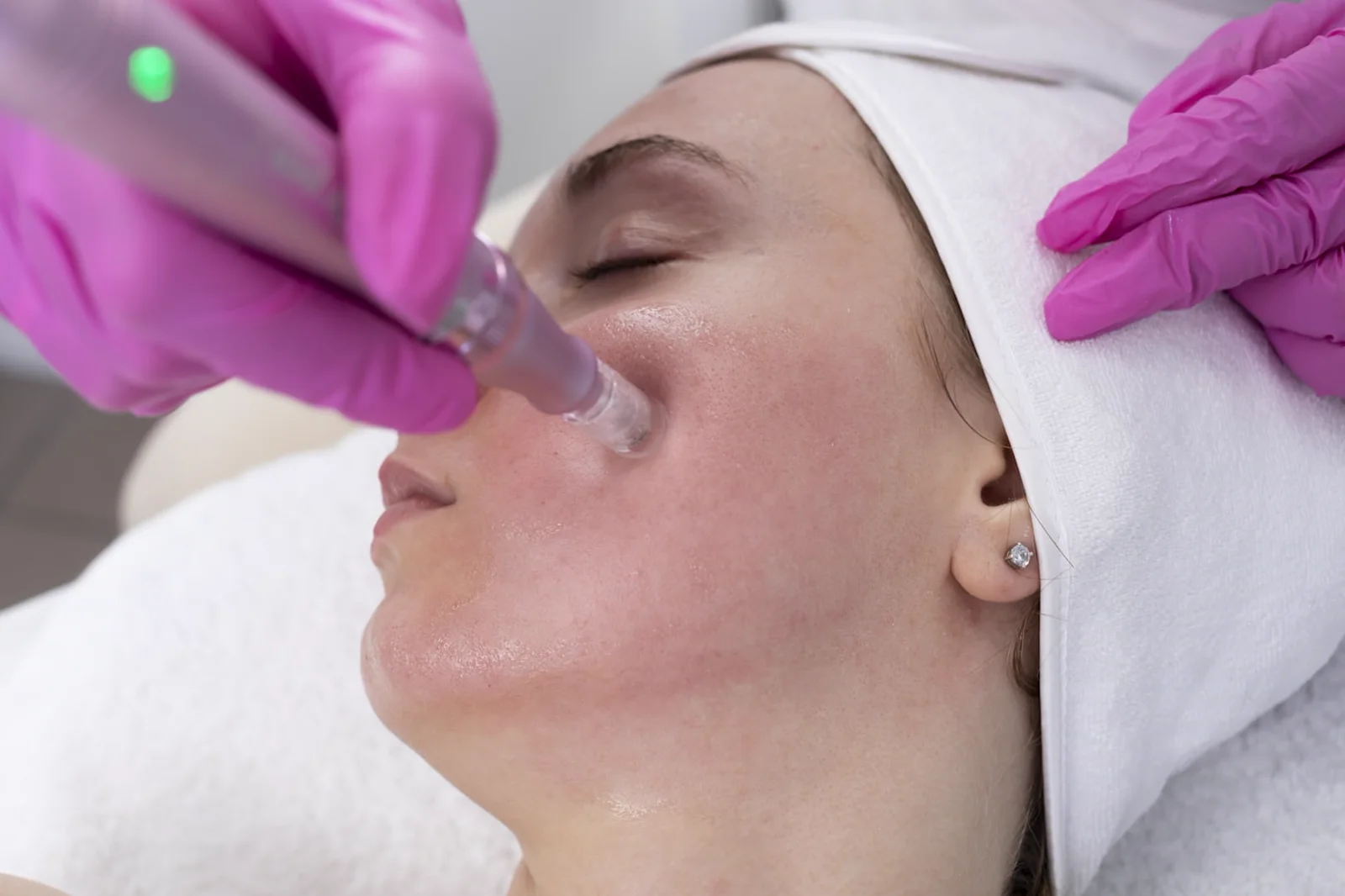
Mesotherapy is the delivery of substances into the skin, specifically the dermis or the tissue just beneath it, through a series of micro-injections.
The mixtures used commonly contain hyaluronic acid, vitamins including A, C, E and the B group, amino acids, minerals and antioxidant combinations. The composition is not identical everywhere, which is one of the points this page returns to below.
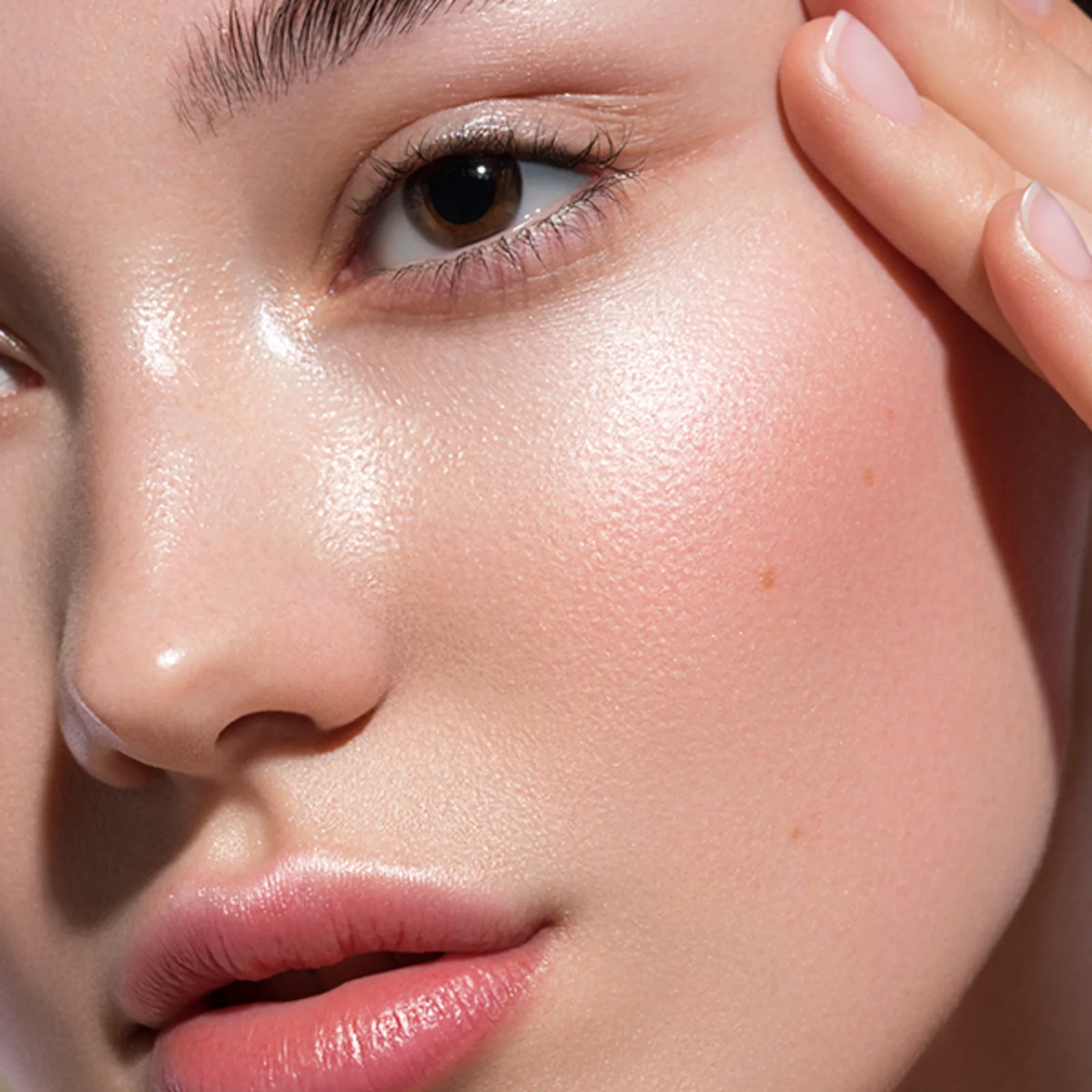
At our clinic the treatment is discussed on one axis only: skin quality and the appearance of the skin. That framing is deliberate, and the reason for it becomes clear in the section on evidence.
How many mesotherapy sessions are needed?
The treatment is planned as a course rather than a single appointment, because the intention is a cumulative change.
Assessment first
What is being targeted and whether the treatment is appropriate is decided before any course is planned.
3 to 6 sessions
A typical course runs across this range, with the exact number depending on the assessment.
2 to 4 week intervals
Appointments are placed a few weeks apart so the skin has time to respond between them.
Maintenance
Whether and when maintenance follows is decided on the physician's recommendation after the course.
A fixed protocol applying to everyone is not quoted, and that is not evasiveness. As the next section explains, standardisation is precisely what this field lacks.
Is there evidence supporting mesotherapy?
This deserves a direct answer rather than a reassuring one, because the honest position is more complicated than either enthusiasm or dismissal.
On the supportive side, a randomised controlled study has reported improvement in skin moisture, firmness and viscoelastic properties with hyaluronic acid based mesotherapy. That is a real finding from a controlled design, and it is the strongest thing that can be said.
On the limiting side, there is no standardised dose or protocol for mesotherapy mixtures, and the procedure itself does not hold regulatory approval as a defined treatment; what is involved is the off-label use of approved products. This matters because it means results reported with one mixture do not automatically transfer to another.
The reasonable summary is that the evidence is limited but promising, and that studies are continuing. On that basis the treatment is described here as supportive rather than as a solution, and any claim beyond that is not one this page makes.
The useful question is not whether mesotherapy works, but what exactly is being claimed. Most of the confusion in this field lives in that gap.
There is a further practical consequence of this position. Because the composition of a mixture is not standardised, what is being injected should be a matter of discussion rather than assumption, and a person is entitled to ask what a session contains and why those contents were chosen for them.
Does mesotherapy dissolve fat?
This is among the most searched questions about the treatment, and the answer here is straightforward: that is not a claim made on this page. Where surface build-up and dullness predominate, the heading discussed is Hydrafacial; where a collagen response is being sought, it is Vivace microneedling.
Injection-based approaches promoted for fat reduction or localised slimming rest on a weak evidence base, and presenting them otherwise would not be accurate. For that reason the subject is not covered as a service and no such outcome is offered.
What mesotherapy is used for at our clinic is skin quality: hydration, firmness and general appearance. Anyone whose primary concern is body contour is better served by a different conversation, and that conversation begins with an assessment rather than with an injection.
Is hair mesotherapy effective?
Hair is a separate application of the same principle, and the position here is again a measured one.
In androgenetic hair loss, mesotherapy is best described as a supportive option, with the evidence still developing. It is not presented as a treatment that resolves the underlying condition, and it is not offered as an alternative to established medical management.
The first step in any hair complaint is identifying the cause, since hair loss has several distinct patterns and causes. Where a supportive approach is appropriate, it is planned alongside that assessment rather than in place of it.
The same caution applies to how the treatment is positioned alongside other options. Where a complaint has an established medical pathway, a supportive treatment is planned around that pathway rather than instead of it; presenting it as a replacement would misstate both what it does and what the person needs.
What happens after a mesotherapy session?
The recovery period is short and the expected findings are predictable.
Redness at the injection points, tenderness in the treated area and some bruising can occur. These usually resolve within 24 to 48 hours.
Small marks at the entry points are usual in the first hours after the session.
The treated area can feel sensitive to touch for a short period.
Bruising is possible and its likelihood varies between individuals.
Planning around an important occasion is easier when this window is known in advance. The under-eye area follows rules of its own; where the shadow there stems from volume loss the discussion moves to under-eye filler, and the appearance of scars is addressed under scar revision.
When is the result assessed?
Because the intention is a cumulative change, the result is not judged after a single session. The comparison that matters is made across the course, and any decision about maintenance follows that assessment rather than an early impression. What the skin looks like on the day after a session reflects the injections, not the outcome.
Who should carry out mesotherapy?
This is not a secondary detail. Mesotherapy must be performed by a physician under sterile conditions, and the reason is specific rather than formal.
The risk of infection in this treatment is directly related to the quality of the person performing it and the conditions in which it is carried out. An injection is an injection regardless of what it contains, and describing a mixture as natural does not remove that risk.
The same applies to what is being injected. Knowing the composition, its suitability for the individual and how it interacts with any existing conditions is part of the medical assessment, not an administrative step.
Who is mesotherapy not suitable for?
There is a defined set of circumstances in which the treatment is not carried out, and these are reviewed before each session.
- During pregnancy or breastfeeding.
- Where there is an active infection.
- In uncontrolled diabetes.
- Where there is a known allergy to the contents.
- Where the complaint may be better addressed another way.
- Where other skin treatments are planned in the same period.
- Where medications affecting bleeding are in use.
- Where expectations exceed what the treatment supports.
This content is provided for general information only and does not constitute medical advice. Mesotherapy involves delivering mixtures containing hyaluronic acid, vitamins, amino acids, minerals and antioxidants into the skin through micro-injections. It must be carried out by a physician under sterile conditions; the risk of infection is directly related to the quality of the person performing it and the conditions in which it is carried out, and describing a mixture as natural does not remove the risks of injection. There is no standardised dose or protocol for mesotherapy mixtures and the procedure does not hold regulatory approval as a defined treatment; approved products are used off-label. A randomised controlled study has reported improvement in skin moisture, firmness and viscoelastic properties with hyaluronic acid based mesotherapy; the evidence overall is limited but promising and studies are continuing. The treatment is described here as supportive of skin quality and is not offered for fat reduction or localised slimming. In androgenetic hair loss it is a supportive option with evidence still developing. Redness, tenderness and bruising at the injection points usually resolve within 24 to 48 hours. It is not performed during pregnancy or breastfeeding, where there is an active infection, in uncontrolled diabetes, or where there is a known allergy to the contents.
Content overseen by Aysun Kaya, Founder · Kaya Clinique · on Bağdat Avenue since 2019. Our publishing standards are set out in our editorial principles.
From consultation to care, the process

Beklentilerinizi dinleyerek, kişiye özel bir yol haritası oluşturuyoruz.

Modern, hijyenik ve mahremiyeti önceleyen bir klinik ortamı.

Konforunuz gözetilerek, ölçülü ve kontrollü bir yaklaşım.

Süreç sonrası bilgilendirme ve takip ile yanınızdayız.
Related technology
Hydrafacial
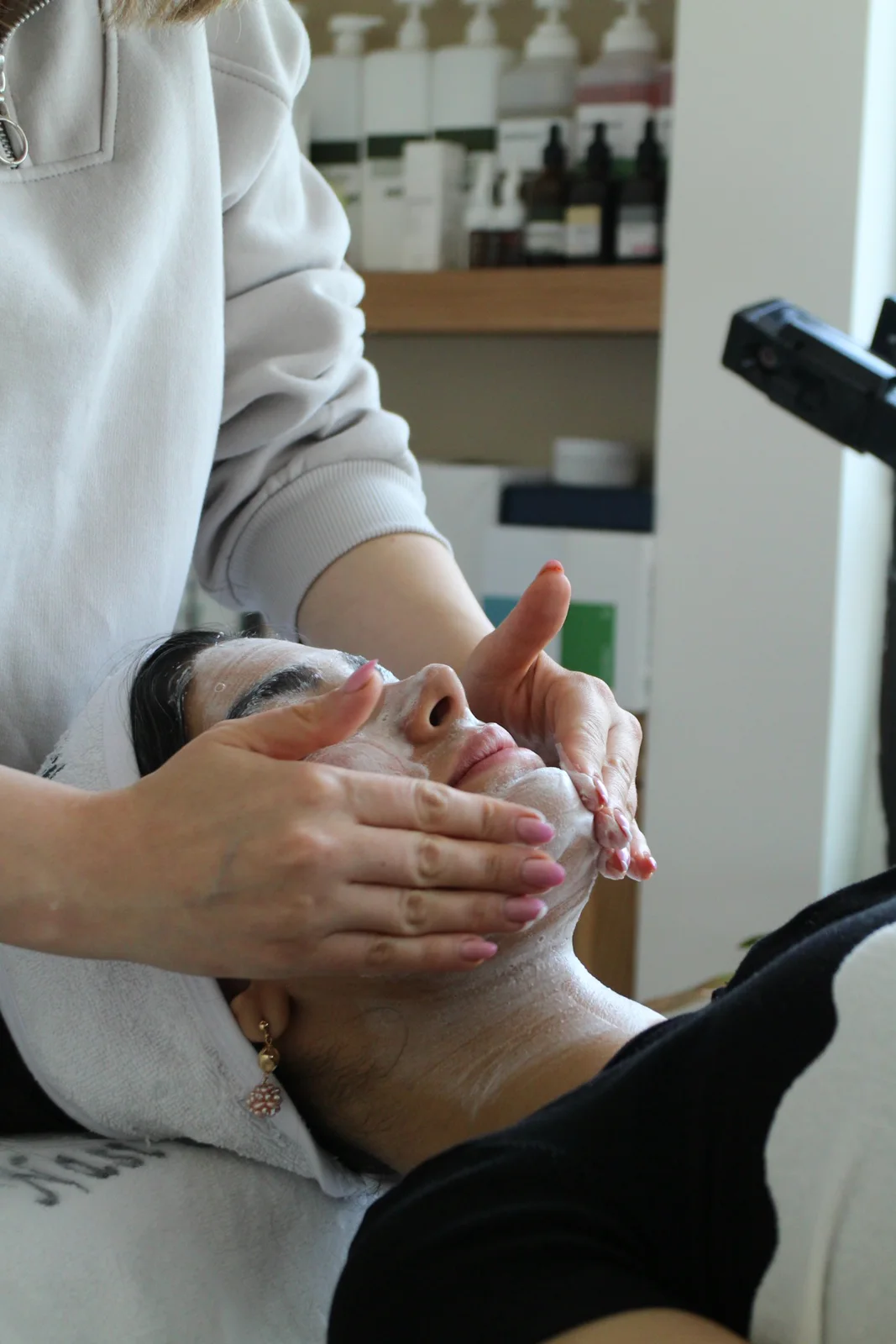
Hydrafacial is a treatment considered in line with the person's needs and expectations. At Kaya Clinique it is assessed with an understanding of vitality…
Explore the Technology →
Vivace / Microneedling
Vivace / Microneedling is a treatment considered in line with the person's needs and expectations. At Kaya Clinique it is assessed with an understanding…
Explore the Technology →Frequently asked questions
How are Mesotherapy prices determined in 2026?
There is no price list for Mesotherapy here; the regulation governing the promotion of health services does not allow fees to be shared.
We can still explain how the decision on Mesotherapy is built. These are the headings that shape the plan:
- The composition of the mixture, adjusted to the individual
- The number and spacing of sessions in the course
- Whether the face, scalp or another region is targeted
- Revision of the plan at interim assessments
Because these items differ between individuals, no single figure for Mesotherapy would reflect reality. The plan specific to you is shared at the consultation after examination.
Treatments considered alongside this one
Scar Revision
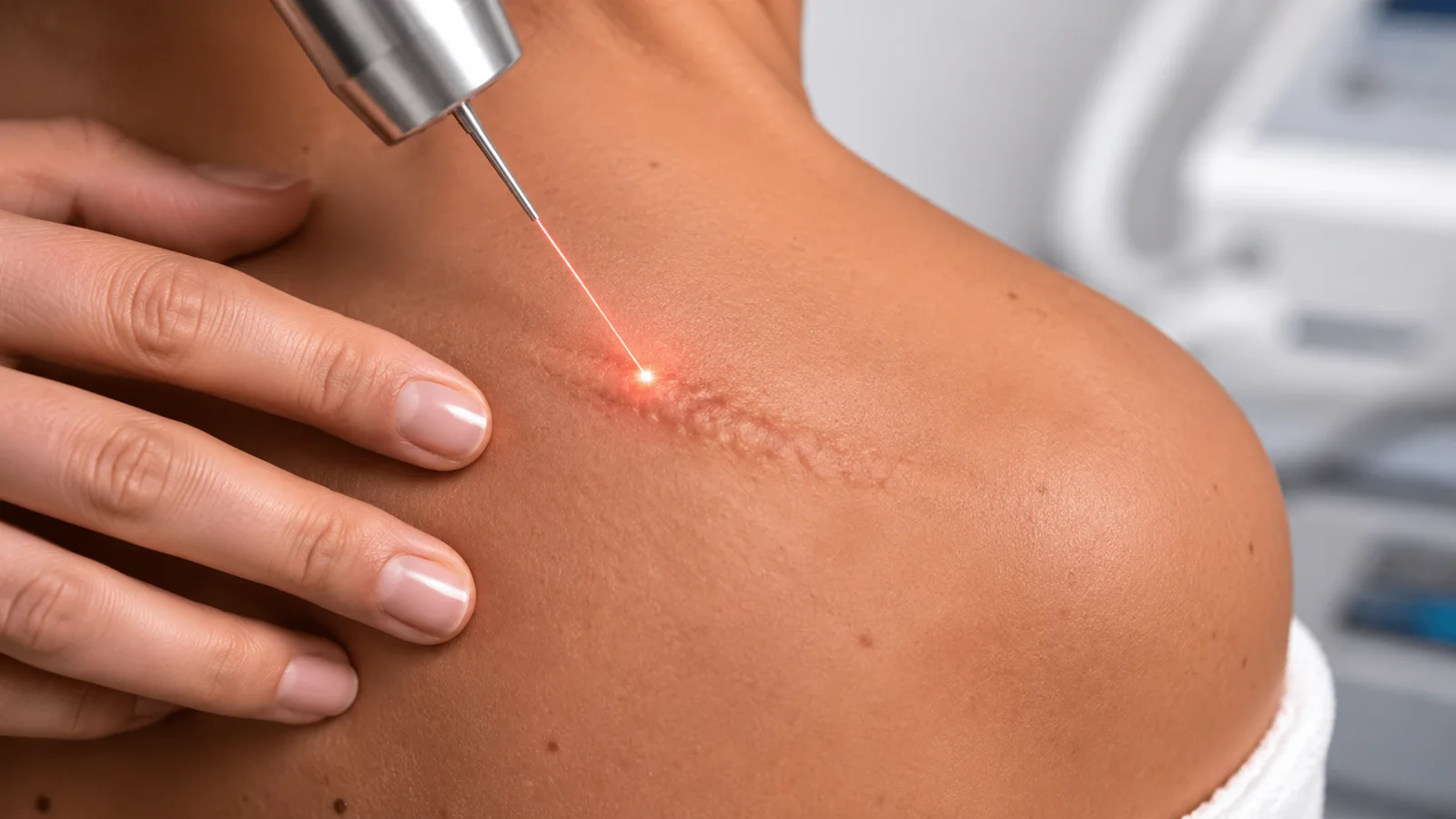
A smoother look to the skin's texture
More Details →
Under-Eye Filler
A more rested look
More Details →Whether they can be planned together is decided at examination; this is not a recommendation list.