HIFU Face Lifting
Non-surgical tightening
HIFU Face Lifting is a treatment considered in line with the person's needs and expectations. At Kaya Clinique it is assessed with an understanding of vitality and renewal in skin quality, and with individual planning.
Arrange a Specialist ConsultationKnown popularly as a "non-surgical facelift", HIFU is not an alternative or an equivalent to surgical facelifting; it provides tightening and a degree of recovery in mild to moderate skin laxity. This page opens with that sentence for a simple reason: almost all the dissatisfaction in this subject comes from an expectation set at surgical scale.
What is HIFU and how does it work?
HIFU stands for high-intensity focused ultrasound. The device creates controlled thermal points in the deeper layers beneath the skin, including the SMAS layer. Those points aim to stimulate collagen production in the tissue.
The method is defined as a non-surgical skin tightening technology. Devices of the Ultherapy type are cleared by the FDA for lifting in the brow, neck and submental region, and for reducing the appearance of lines in the décolletage.
The mechanism matters here: no tissue is removed and none is repositioned. A response is stimulated in existing tissue and the result emerges as that response develops. This also explains why the change is gradual rather than immediate.
When do HIFU results appear?
Setting out the timeline at the start is the most critical part of this process.
First two to four weeks
A mild sense of tightening may be described. No marked difference in appearance is looked for at this stage.
Second to third month
The marked result settles in this period. Because collagen formation takes time, assessment is left until here.
Twelve to eighteen months
This is the reported duration of effect. Because ageing continues, preservation is supported with maintenance sessions.
Every six to twelve months
Repeat or maintenance may be planned as needed; frequency follows physician assessment.
Most people begin with a single session. No certainty is claimed that one session will be enough, however; a repeat may be planned according to physician assessment.
Does HIFU replace a surgical facelift?
No, and this is the clearest thing the page has to say.
HIFU cannot remove excess skin. It cannot correct advanced laxity or pronounced jowl and neck banding. Those pictures fall within the surgical field and are assessed separately under facial aesthetics.
The character of the result differs too. What should be expected is not a dramatic change but a gradual, natural and relatively subtle recovery. Where that frame is set at the start satisfaction rises; where it is not, the result remains disappointing however good it is.
Tightening and a sense of recovery in mild to moderate laxity, developing gradually.
Removal of excess skin, correction of advanced laxity, or a result equal to surgery.
The result settles at the second to third month; planning it just before an important occasion does not pay off.
The effect is not permanent; because ageing continues, a maintenance plan is discussed from the outset.
Who is HIFU suitable for?
The description of the ideal candidate is relatively clear: people with mild to moderate skin laxity and relatively good skin quality. The age range is usually discussed as between thirty and fifty-five, though what decides is the examination finding rather than chronological age.
- Those with mild to moderate skin laxity.
- People not considering surgery who accept a gradual change.
- Those in a position to sustain a maintenance plan.
- Those with advanced laxity and pronounced excess skin.
- Those whose expectation is a change on a surgical scale.
- Those who are pregnant; it is not recommended in this period.
What happens after HIFU?
Temporary redness, mild swelling and tenderness may occur after the treatment. Transient numbness or tingling is reported less often. Most of this settles within hours to days.
No recovery period is required; daily routine resumes the same day. That is the most concrete expression of the non-surgical side of this treatment.
When is the result assessed?
Assessment is left to the second or third month. A judgement made earlier means measuring a response that has not yet developed. That is why the timeline is shared in consultation.
How does HIFU differ from other device treatments?
HIFU creates thermal points in deeper layers and targets a collagen response. Treatments directed at the surface or the middle layer answer a different question.
Where the texture of the skin surface and the appearance of pores are the concern, the heading discussed is Hydrafacial; where a needle and energy based collagen response is being sought, it is Vivace microneedling. None of the three replaces another, and in some plans they come up at different periods.
Half the work in this subject is in the treatment and half in the first sentence: saying at the outset that this is not an operation.
How is the result preserved?
The reported duration of effect is twelve to eighteen months. Ageing does not stop during that period, which is why preservation is supported with maintenance sessions.
Alongside that, sun protection, smoking and general skincare affect how long the result holds. The treatment rests on that foundation, and without it the appearance achieved recedes more quickly.
This content is provided for general information only and does not constitute medical advice. Known popularly as a "non-surgical facelift", HIFU is not an alternative or an equivalent to surgical facelifting; it provides tightening and a degree of recovery in mild to moderate skin laxity. It cannot remove excess skin and cannot correct advanced laxity or pronounced jowl and neck banding; those situations fall within the surgical field. Treatment usually begins with a single session, and a repeat may be planned every six to twelve months as needed. The effect begins to be felt at two to four weeks and the marked result settles at two to three months; the reported duration of effect is twelve to eighteen months and is not permanent. Temporary redness, mild swelling, tenderness and, less often, transient numbness may occur. It is not recommended during pregnancy; an open wound, infection or severe cystic acne in the treatment area, metal implants and pacemakers require physician assessment.
Content overseen by Aysun Kaya, Founder · Kaya Clinique · on Bağdat Avenue since 2019. Our publishing standards are set out in our editorial principles.
From consultation to care, the process

Beklentilerinizi dinleyerek, kişiye özel bir yol haritası oluşturuyoruz.

Modern, hijyenik ve mahremiyeti önceleyen bir klinik ortamı.

Konforunuz gözetilerek, ölçülü ve kontrollü bir yaklaşım.

Süreç sonrası bilgilendirme ve takip ile yanınızdayız.
Related technology
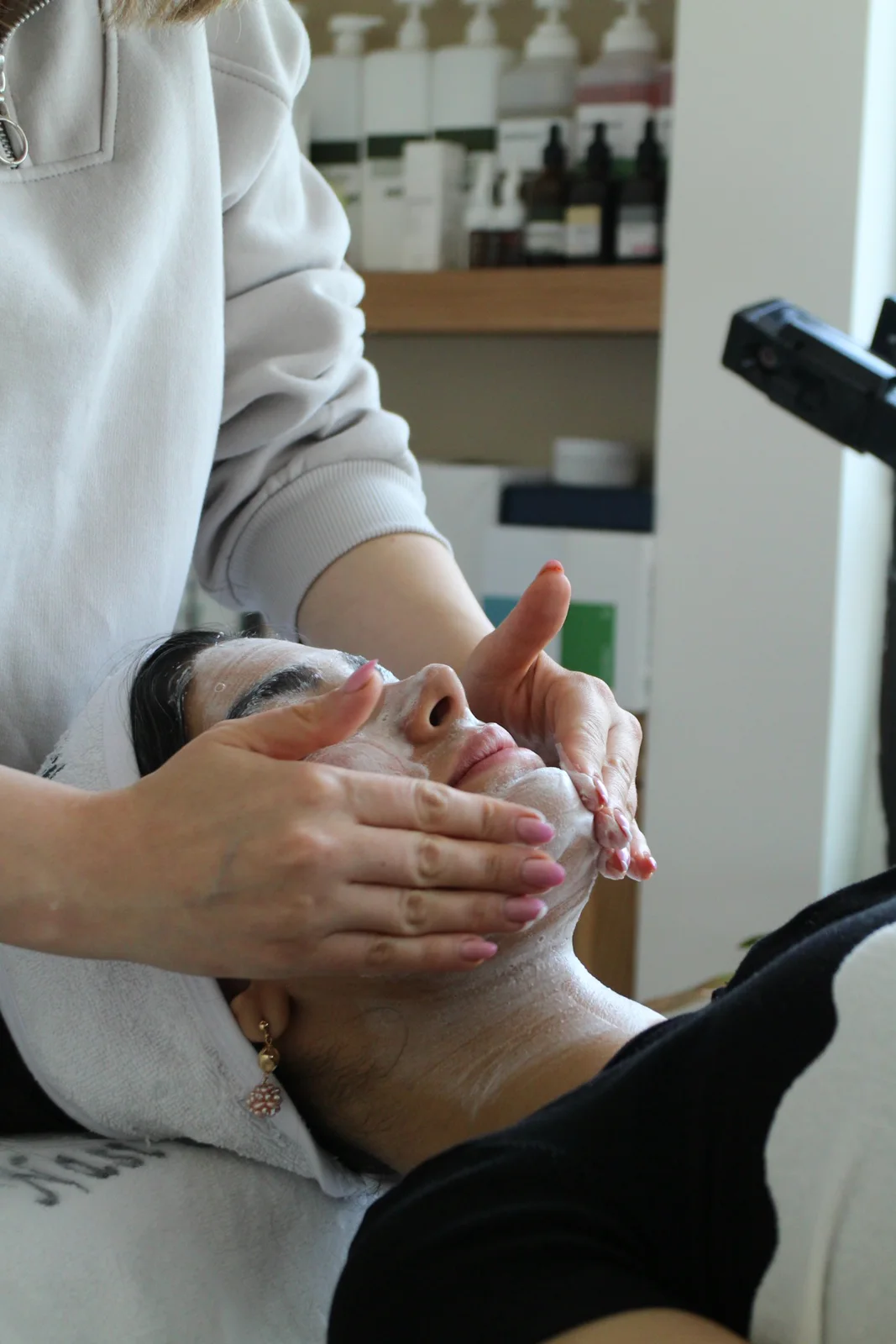
Hydrafacial
Hydrafacial is a treatment considered in line with the person's needs and expectations. At Kaya Clinique it is assessed with an understanding of vitality…
Explore the Technology →
Vivace / Microneedling
Vivace / Microneedling is a treatment considered in line with the person's needs and expectations. At Kaya Clinique it is assessed with an understanding…
Explore the Technology →Frequently asked questions
How are HIFU Face Lifting prices determined in 2026?
Because health regulations do not permit publication of procedure fees or promotional announcements, no figure is shared on this page. In focused ultrasound applications planning varies with the area addressed, the depth targeted and the number of shots delivered during the session. Whether the face, submental area or neck are addressed together or separately also has a direct effect on the plan. How the plan is built is set out in detail during the initial consultation.